
HD-AN200 Anaerobic and Microaerophilic Culture System: Use Cases and Selection Tips
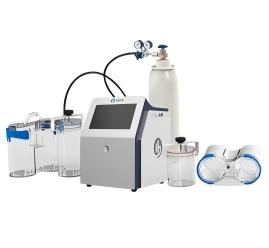
What Is an Anaerobic and Microaerophilic Culture System?
An anaerobic and microaerophilic culture system is a controlled-atmosphere workstation or jar system that maintains oxygen levels far below ambient air. While aerobic incubation happens in normal atmosphere (approximately 21% oxygen), microaerophilic conditions usually require 1–10% oxygen, and strict anaerobic conditions demand oxygen concentrations below 0.1%. The system often combines gas mixers, catalysts, and sealed chambers to generate and sustain these environments throughout incubation.
According to the Manual of Clinical Microbiology (12th Edition), precise oxygen control is critical for primary isolation and identification of clinically significant anaerobes. Systems that fail to maintain consistent microaerophilic or anaerobic conditions can delay diagnosis or lead to false-negative culture results.
| Culture Condition | Oxygen Level | Typical Microorganisms | Common Applications |
|---|---|---|---|
| Aerobic | ~21% O₂ | Most facultative bacteria, aerobes | Routine bacteriology, quality control |
| Microaerophilic | 1–10% O₂ | Campylobacter, Helicobacter pylori, Arcobacter | Stool culture, gastric biopsy culture, food safety |
| Anaerobic | <0.1% O₂ | Clostridium, Bacteroides, Fusobacterium | Abscesses, deep wound infections, periodontal microbiology |
| Capnophilic | 5–10% CO₂ (O₂ variable) | Neisseria, Haemophilus | Respiratory tract, blood cultures |
Use Cases for Anaerobic and Microaerophilic Culture
A microaerophilic culture system is not limited to one department. The same instrument may serve clinical microbiology, food testing, environmental research, and pharmaceutical quality control. Common use cases include:
- Clinical anaerobic bacteriology: Isolation of obligate anaerobes from blood, tissue, abscesses, or body fluids.
- Campylobacter and Helicobacter culture: Stool specimens and gastric biopsies require microaerophilic conditions.
- Food safety testing: Detection of Campylobacter and Arcobacter in poultry and meat products.
- Periodontal and oral microbiome research: Many oral pathogens are strict anaerobes.
- Antibiotic susceptibility testing: MIC determinations for anaerobic bacteria often require an anaerobic chamber.
- Biogas and environmental studies: Cultivation of methanogens and other oxygen-sensitive environmental isolates.
In each case, the ability to precisely tune oxygen and carbon dioxide levels separates a reliable system from a source of variability.
How Oxygen Control Works
HD-AN200-style systems typically use one of two methods to establish low-oxygen atmospheres:
- Gas replacement (evacuation-replacement): The chamber is evacuated and refilled with a pre-mixed gas blend (e.g., 5% O₂, 10% CO₂, balance N₂ for microaerophilic work; or 80% N₂, 10% H₂, 10% CO₂ for anaerobes).
- Gas generation sachets: Commercially available sachets chemically consume oxygen or produce CO₂. A catalyst (usually palladium) in the chamber helps remove residual oxygen by reacting with hydrogen to form water.
Once the desired oxygen tension is reached, an airtight seal and catalyst maintain the condition for the incubation period. Some advanced chambers include an oxygen sensor that continuously displays the internal concentration, allowing real-time monitoring without breaking the seal.
The Incubation Process Step by Step
A typical microaerophilic or anaerobic incubation run follows this sequence:
- Prepare plates or broths in a non-selective manner under aerobic conditions; minimize exposure time.
- Load the chamber or jar with inoculated media and an indicator (e.g., methylene blue or resazurin strip for anaerobiosis).
- Activate the gas system: either seal and run an evacuation-replacement cycle or place a gas-generating sachet.
- Verify the indicator: For anaerobes, the indicator should become colorless; for microaerophilic conditions, a calibrated sensor or colorimetric strip confirms the target O₂ range.
- Incubate at the required temperature (typically 35–37°C for human pathogens).
- Inspect without prolonged exposure: Quick visual checks through the transparent lid are acceptable; reopening the chamber resets the atmosphere.
- Subculture or read results after the appropriate incubation time (24–72 hours or longer for some anaerobes).
Monitoring Oxygen Levels and System Integrity
Consistent results demand verifiable conditions. Labs should monitor:
- Chemical indicators: Anaerobic indicator strips change color in the presence of oxygen. Resazurin is pink when oxidized and colorless when reduced.
- Electronic oxygen sensors: Built-in sensors display real-time O₂ levels; beneficial for microaerophilic systems where a narrow range must be held.
- Biological indicators: Using known quality-control strains (e.g., Clostridium perfringens for anaerobiosis) confirms that conditions support growth of target organisms.
- Leak testing: Regular vacuum hold tests or pressure-decay tests ensure seals remain intact.
Capacity and Throughput Considerations
Capacity is not just about the number of plates. Laboratory managers should consider:
- Plate capacity: How many 90–100 mm Petri dishes can be incubated per run? Small jars may hold 10–12 plates; large chambers accommodate 40–60 or more.
- Stacking and shelf design: Adjustable racks prevent wasted vertical space.
- Gas consumption per cycle: Frequent evacuation-replacement cycles increase gas costs; look for systems that allow multiple incubation runs without repeated gas changes.
- Throughput vs. flexibility: A single large chamber is efficient for batch processing but may be wasteful for small sample numbers; modular systems with multiple independent chambers offer flexibility.
Selection Tips for Laboratory Use
When evaluating a microaerophilic culture system like the HD-AN200 style, compare these factors based on your lab’s workload and organism portfolio:
| Selection Factor | What to Check |
|---|---|
| Oxygen control range | Can it reliably achieve and hold <0.1% O₂ for anaerobes and a stable 1–10% for microaerophiles? |
| CO₂ control | Does it allow CO₂ addition for capnophilic organisms? |
| Seal integrity | Is the chamber vacuum-tight? How often do seals need replacement? |
| Catalyst life | How many cycles before catalyst regeneration or replacement? |
| Indicator system | Is a chemical strip sufficient, or is a digital O₂ sensor necessary for your protocols? |
| Footprint | Does the system fit standard incubators or require dedicated bench space? |
| Ease of use | Are evacuation cycles automated or manual? How long does one cycle take? |
| Gas supply | Does it use pre-mixed cylinders or gas generators? What is the ongoing cost? |
| Validation features | Does it offer data logging, alarm outputs, or USB connectivity for traceability? |
For labs handling both anaerobic and microaerophilic organisms, a system that allows switching between gas mixtures without hardware changes can save significant time and reduce errors.
Final Takeaway
An HD-AN200-style anaerobic and microaerophilic culture system is more than an airtight box—it is a controlled environment that directly impacts diagnostic accuracy, research reproducibility, and workflow efficiency. When selecting a system, start with your microorganism list and throughput needs, then focus on oxygen control stability, monitoring capability, gas consumption, and ease of integration into your existing laboratory workflow. A well-chosen microaerophilic culture system minimizes contamination risk, shortens turnaround time, and pays for itself through reliable, high-quality culture results.
For system-level planning, our Laboratory Equipment Solution page can help buyers connect equipment selection with real hospital or laboratory workflows. Related equipment pages include Intelligent Anaerobic and Microaerophilic Culture System HD-AN200 and Intelligent Anaerobic and Microaerophilic Culture System.