
Automated Microbial Identification and Antimicrobial Susceptibility Analysis Explained
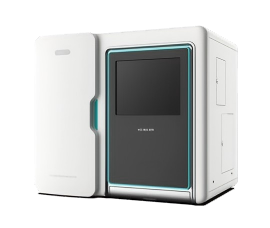
What Is Automated Microbial Identification?
Automated microbial identification uses standardized panels, readers and software to identify bacteria and yeast from clinical specimens. Unlike manual methods that depend on an operator reading multiple tubes or plates, automated systems read reactions photometrically or fluorometrically and use databases to generate a species-level identification in hours. This reduces subjectivity, standardizes incubation and reading, and increases reproducibility. Most modern systems combine identification with antimicrobial susceptibility testing, making them a single workbench solution for microbiology labs.
How Does a Biochemical Identification System Work?
A microbial biochemical identification system works by detecting the metabolic or enzymatic activity of a microorganism in a series of micro-wells containing different substrates. Each well records a reaction, such as a color change from pH shifts, enzyme activity or utilization of a carbon source. The instrument’s software compares the reaction pattern against a database of known profiles and provides a probability-based identification. This approach is especially useful for clinically relevant bacteria and yeast, and systems are designed to handle both fermentative and non-fermentative Gram-negative rods, Gram-positive cocci, and fastidious organisms.
What Is Antimicrobial Susceptibility Analysis?
Antimicrobial susceptibility analysis (AST) measures how sensitive an isolated microorganism is to a panel of antibiotics. Automated AST uses broth microdilution, which is the gold standard for determining minimum inhibitory concentrations (MICs). The system incubates the organism with serial dilutions of antibiotics, then optical readers detect growth inhibition. Interpretive criteria based on CLSI or EUCAST guidelines are applied to categorize results as susceptible, intermediate or resistant. Integrating AST with identification on the same instrument reduces hands-on time and provides a consolidated report for clinicians.
Integrated Workflow: Identification and AST Together
Combining biochemical identification and antimicrobial susceptibility analysis in a single automated platform creates a seamless workflow from specimen to result. An integrated workflow typically involves:
- Inoculating a standardized suspension of the isolate into a combo panel or cartridge.
- Loading the panel into the instrument where incubation, reading and analysis occur automatically.
- Software generating both an organism ID and a full antibiogram simultaneously.
- Results becoming available in as little as 5 to 18 hours, depending on the organism and panel.
This integration minimizes manual steps, reduces transcription errors and speeds up turnaround time compared to performing identification and AST on separate devices.
Result Interpretation and Clinical Relevance
Interpreting results from an automated microbial identification and susceptibility system requires understanding both the identification report and the MIC values. The system provides a probability percentage and a confidence level for the ID. For AST, it displays the MIC for each antibiotic and applies pre-programmed breakpoints. Lab technologists must still confirm that the ID is plausible based on Gram stain, colony morphology and patient demographics. Critical alerts, such as unusual resistance phenotypes, require manual review. The final report helps clinicians select targeted therapy, avoid broad-spectrum agents when possible, and support antimicrobial stewardship.
Quality Control Requirements
Quality control (QC) is essential to ensure accuracy and reliability. Labs must follow standard QC practices for both identification and AST components, including:
- Running QC strains with each new lot or shipment of panels.
- Verifying that identification QC strains produce expected performance characteristics.
- Testing AST QC strains daily or weekly per regulatory guidelines.
- Monitoring instrument maintenance, such as light source alignment and temperature calibration.
- Participating in proficiency testing programs.
- Documenting all QC results and corrective actions when results fall outside acceptable ranges.
Adherence to CLSI M100 or EUCAST standards is mandatory for maintaining accreditation and delivering consistent patient results.
Purchasing Considerations for Lab Decision-Makers
When evaluating automated microbial identification and susceptibility systems, consider the following factors to match the system to your lab’s needs:
- Test menu and panel range: Does the system cover the organisms and antibiotics most frequently encountered in your patient population?
- Throughput and scalability: Can the instrument handle your current and projected specimen volume without creating backlogs?
- Integration with LIS: Does the system offer bidirectional interface with your laboratory information system?
- Time to result: Short turnaround benefits patient care, but verify manufacturer claims under routine conditions.
- Cost per test: Include consumables, maintenance, service contracts and any required capital investment.
- Ease of use: Assess training requirements and walkaway automation versus manual steps.
- Regulatory compliance: Check for FDA clearance or CE marking if your facility requires it.
- Vendor support: Reliable technical support and accessible repair services can minimize downtime.
Conduct a detailed cost-benefit analysis and, if possible, evaluate a demo unit before making a final decision.
Final Takeaway
Automated microbial biochemical identification systems paired with antimicrobial susceptibility analysis are central to modern clinical microbiology. They standardize organism identification, deliver rapid and reliable antibiotic profiles, and support integrated lab workflows. By understanding how biochemistry-based identification works, how AST generates clinically relevant breakpoints, and what QC and purchasing factors matter most, lab managers can select a system that improves patient outcomes and aligns with their laboratory’s operational demands.
For system-level planning, our Medical Equipment Export Solution page can help buyers connect equipment selection with real hospital or laboratory workflows. Related equipment pages include Automatic Microbial Biochemical Identification and Antimicrobial Susceptibility Analysis System and Fully Automatic Bacterial Suspension Inoculation and Antimicrobial Susceptibility Interpretation System.