
Fully Automatic AST Interpretation Systems: Benefits for Clinical Microbiology
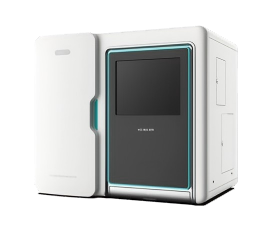
What Is an Automatic Antimicrobial Susceptibility Interpretation System?
An automatic antimicrobial susceptibility interpretation system is a laboratory instrument designed to read, analyze, and interpret antimicrobial susceptibility test (AST) results with minimal manual intervention. Instead of a technologist measuring inhibition zones by hand or visually judging broth microdilution wells, the system captures plate images, measures growth, and applies interpretation rules such as CLSI or EUCAST breakpoints automatically.
This technology reduces human error, standardizes reading, and speeds up final susceptibility reports. It is especially valuable in clinical microbiology laboratories that handle high specimen volumes, require rapid turnaround, or need to maintain consistent AST interpretation across multiple shifts or satellite sites.
How Does Fully Automatic AST Interpretation Work?
Fully automatic AST interpretation typically integrates three core steps: bacterial suspension inoculation, incubation, and automated reading with software-driven analysis.
1. Inoculation. A standardized bacterial suspension is prepared, often using a nephelometer, and transferred to the AST panel or disk diffusion plate either by manual pipetting or a built-in automated pipetting module. Some systems include fully automated inoculation to minimize operator variability.
2. Incubation. Loaded plates are incubated inside the instrument under controlled temperature and atmosphere conditions. The system monitors the incubation timing, eliminating the need for a separate incubator and manual transfer.
3. Reading and Interpretation. After incubation, a camera or optical sensor captures images of the plate. Dedicated software measures zone diameters (for disk diffusion) or micro-well growth. The software then applies user-selected breakpoint tables to interpret each result as susceptible, intermediate, or resistant. The system generates a final report that can be transmitted to the LIS and electronic health record.
Key Benefits of an Antimicrobial Susceptibility Interpretation System
Adopting a fully automatic AST interpretation system delivers measurable improvements in clinical laboratory workflow and result reliability. The most impactful benefits include:
- Reduced hands-on time: Technologists can focus on other tasks while the system handles incubation, imaging, and interpretation.
- Less subjectivity: Automated reading eliminates the minute variations that occur when multiple people read zones by hand.
- Consistent breakpoints: The system applies the latest interpretation guidelines uniformly, reducing the risk of outdated manual charts.
- Faster time-to-report: Continuous incubation and real-time reading can shorten AST turnaround by several hours, helping clinicians start targeted therapy sooner.
- Full traceability: Digital records of plate images and raw measurements support quality control and accreditation reviews.
- Shared expertise: Remote reading capabilities allow smaller labs to access expert interpretation without sending plates elsewhere.
Improved Reading Consistency and Standardization
One of the biggest challenges in manual AST is inter-reader variability. The same zone diameter read by two technologists may differ by a millimeter or two, which can flip the interpretation from susceptible to resistant for drugs with narrow intermediate ranges. An antimicrobial susceptibility interpretation system eliminates this source of error by using calibrated imaging and reproducible measurement algorithms.
Standardization also extends across shifts and laboratory sites. The system applies the same measurement method every time, ensuring that a night-shift technologist and a weekend technologist produce identical measurements. For laboratories accredited under ISO 15189 or similar quality standards, this level of reproducibility simplifies assay validation and competency assessment.
Faster Reporting and Workflow Efficiency
Automation compresses the AST workflow in several ways. Instruments with built-in incubators read plates at user-defined intervals and release results as soon as sufficient growth is detected, rather than waiting for a fixed overnight incubation. This dynamic reading can cut turnaround time by up to 4–8 hours for fast-growing organisms.
Compared to manual processes, the overall reporting pipeline becomes markedly shorter:
| Workflow Step | Manual AST | Automatic AST System |
|---|---|---|
| Inoculation | Manual pipetting, prone to under‑filling | Automated pipetting or semi‑automated with quality checks |
| Incubation | Separate incubator, fixed timing | Integrated incubation, continuous monitoring |
| Reading | Technologist measures each zone by hand, 30–60 minutes for 20–30 plates | Imaging module reads full plate in seconds |
| Interpretation | Manual look‑up using printed breakpoint tables | Software applies latest CLSI/EUCAST rules automatically |
| Result entry | Manual transcription, risk of typographical errors | Direct digital result upload to LIS/HIS |
| Total hands‑on time | High | Very low |
Even with faster reading, laboratories must still validate that shortened incubation times do not compromise accuracy for slowly growing or fastidious organisms. The system can help by flagging plates that need extended incubation, rather than relying on rigid schedules.
Clinical Microbiology Use Cases
An antimicrobial susceptibility interpretation system supports multiple clinical microbiology service lines where timely, accurate AST is critical to patient outcomes:
- Blood culture positive alerts. Once a positive bottle is identified and a plate is inoculated, rapid AST can provide susceptibility data within a few hours of the Gram stain, enabling early de‑escalation or escalation of empiric therapy.
- ICU and immunocompromised patient monitoring. Frequent AST results from sequential isolates help guide antibiotic adjustments in vulnerable patients.
- Outbreak investigations. Consistent AST interpretation and digital record‑keeping allow infection control teams to compare susceptibility patterns across multiple patients without manual re‑reading.
- Antimicrobial stewardship programs. Fast, reliable susceptibility data support pharmacist‑led interventions to optimize therapy and reduce unnecessary broad‑spectrum use.
- Satellite and rural laboratories. Systems with remote accessibility allow central microbiology supervisors to review images and results from off‑site labs, maintaining quality oversight without an on‑site expert.
Implementation Considerations for the Lab
Before adopting a fully automatic antimicrobial susceptibility interpretation system, laboratory leadership should evaluate several practical and operational factors:
- Test menu and methodology. Confirm that the system supports the AST methods (disk diffusion, broth microdilution, gradient strips) and antimicrobial panels used in your facility. Some systems are optimized for a specific panel type.
- Workflow integration. Plan how the instrument will fit into the existing specimen flow. Automatic inoculation may reduce manual steps but must be validated with your standard bacterial suspensions.
- Breakpoint update process. The instrument software must support timely updates to CLSI and EUCAST breakpoints. Delayed updates can lead to reporting errors, even with automation.
- Data connectivity. Ensure the system can interface with the lab information system (LIS) via ASTM/HL7 protocols. Ideally, results should flow to the LIS and electronic health record without manual re‑entry.
- Training and competency. Technologists need training not only on operation but also on troubleshooting image artifacts, handling ambiguous growth patterns, and understanding the software’s interpretation logic.
- Validation and quality control. Plan a comprehensive validation protocol that compares automated readings with manual readings for a representative set of organisms and drugs, including borderline results. Ongoing QC should include periodic re‑reading of known plates.
- Space and budget. Automated AST systems have a larger footprint than a manual setup and require recurring costs for consumables and service contracts. Model the total cost of ownership against expected efficiency gains.
According to the Manual of Clinical Microbiology (12th Edition), laboratory automation should be viewed as a way to enhance, not replace, skilled technologist oversight, because no system can interpret unusual morphologies or mixed cultures without human input.
Final Takeaway
A fully automatic antimicrobial susceptibility interpretation system can transform a clinical microbiology lab’s AST workflow by standardizing zone measurement, applying real‑time breakpoints, and compressing turnaround time. The technology reduces hands‑on error, improves reading consistency across staff, and supports faster clinical decisions.
However, automation works best when integrated with a clear validation plan, ongoing quality control, and a team that remains proficient in manual reading for situations the software cannot handle. Laboratories considering this technology should start with a careful analysis of their AST volume, current bottlenecks, and the specific organisms and drugs they test most frequently. A well‑planned deployment delivers not only efficiency but also the kind of reliable data that antimicrobial stewardship programs depend on.
For system-level planning, our Laboratory Equipment Solution page can help buyers connect equipment selection with real hospital or laboratory workflows. Related equipment pages include Fully Automatic Bacterial Suspension Inoculation and Antimicrobial Susceptibility Interpretation System and Automatic Microbial Biochemical Identification and Antimicrobial Susceptibility Analysis System.