
Why Real-Time Oxygen Monitoring Matters in Anaerobic and Microaerophilic Culture
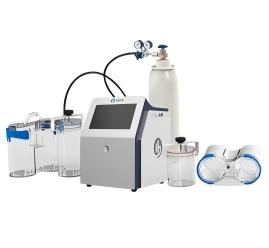
What Is a Real-Time Oxygen Concentration Monitoring System?
A real-time oxygen concentration monitoring system is an electronic setup that continuously measures the oxygen level inside an anaerobic chamber, incubator, or glove box and instantly reports the data. Unlike traditional chemical indicators (like anaerobic indicator strips) or periodic gas sampling, these systems use oxygen sensors to provide a digital readout, often with alarms, data logging, and remote monitoring capabilities. They are designed to detect even minor O2 leaks or consumption anomalies before they compromise cultures.
The Critical Role of Oxygen in Anaerobic and Microaerophilic Cultures
Obligate anaerobes cannot survive in the presence of oxygen; even transient exposure can kill them or alter their growth characteristics. Microaerophilic bacteria require low oxygen levels (typically 2–10%) for optimal growth, and deviations can lead to failed results. For example, Campylobacter species need approximately 5% O2, while many anaerobes like Clostridium perfringens require an oxygen-free atmosphere. Standard reference texts such as the Manual of Clinical Microbiology emphasize that precise gas conditions are essential for the isolation and identification of fastidious organisms. Without proper monitoring, oxygen levels can drift due to leaks, frequent door openings, or catalyst exhaustion, leading to diagnostic errors, lost cultures, and repeated work.
Key Benefits of Real-Time Monitoring Over Manual Methods
- Immediate leak detection: Alerts staff the moment oxygen rises above set limits.
- Continuous data recording: Provides 24/7 trend logs for quality control and audits.
- Reduced human error: Eliminates the need for periodic manual readings that can miss transient spikes.
- Early intervention: Prevents contamination and loss of critical samples.
- Wireless tracking: Allows lab personnel to monitor conditions remotely via mobile devices or central dashboards.
- Integration with existing systems: Can trigger automated responses like purging or locking doors.
Real-Time Oxygen Monitoring vs. Periodic Spot-Checking
| Aspect | Real-Time Monitoring | Periodic Spot-Checking |
|---|---|---|
| Data Type | Continuous, recorded automatically | Point-in-time, manually recorded |
| Leak Detection | Immediate alarm within seconds | May go unnoticed until next check |
| Response Time | Rapid, enables immediate corrective action | Delayed, risking culture exposure |
| Human Error | Minimal; no manual reading errors | Prone to oversight or misreading |
| Compliance and Audit Trail | Comprehensive data logs | Limited or missing documentation |
| Remote Access | Often wireless, accessible off-site | Not possible |
| Cost Over Time | Higher initial investment, but protects valuable cultures | Lower upfront, but risk of culture loss is higher |
Integrating Real-Time Oxygen Monitoring into Anaerobic Incubation Workflows
Adopting an oxygen monitoring system is straightforward when viewed as a workflow enhancement. Typically, the sensor is placed inside the anaerobic workstation or incubator, connected to a display unit or software platform. The system should be calibrated according to manufacturer guidelines. Key integration steps:
- Identify critical vessels (e.g., anaerobic jars, chambers) that require monitoring.
- Install sensors at representative locations, avoiding pockets of stagnant air.
- Set high- and low-oxygen alarm thresholds based on the specific organisms being cultured.
- Train staff on interpreting data and responding to alarms.
- Establish a protocol for data review and documentation, feeding into the lab’s quality management system.
Setting Alarm Thresholds and Response Protocols
The alarm value is perhaps the most important parameter to configure. For strict anaerobes, any detectable oxygen (>0.1%) may trigger a critical alarm. For microaerophiles, the acceptable range (e.g., 2–10%) must be defined. A well-designed oxygen concentration monitoring system allows for multiple alarm levels: warning (e.g., approaching limit) and critical (limit exceeded). When an alarm sounds, predefined corrective actions should kick in: checking for leaks, purging the atmosphere, or moving sensitive cultures to a backup incubator. Continuous data logging also helps identify patterns, such as gradual oxygen ingress due to seal degradation.
Wireless Tracking and Data Recording for Compliance and Research
Modern systems often feature wireless connectivity, enabling real-time alerts via SMS, email, or lab management apps. This is especially valuable for long-term experiments or overnight runs, where lab personnel cannot be present 24/7. Data recording creates an auditable trail that satisfies regulatory requirements (e.g., CAP, ISO 15189) and supports research reproducibility. In clinical settings, demonstrating continuous anaerobic conditions can be part of the quality control documentation for patient sample processing.
Reducing Contamination Risk with Continuous Monitoring
Oxygen fluctuations are not just a growth problem—they can increase the risk of contamination. For example, a sudden oxygen rise might indicate a breach that also allows environmental contaminants to enter the chamber. Real-time detection allows immediate containment, reducing the likelihood that a single event compromises multiple cultures. Moreover, integrating monitoring with automatic purge systems can restore anaerobic conditions within minutes, minimizing the window of vulnerability.
Final Takeaway
An oxygen concentration monitoring system is an indispensable component of modern anaerobic and microaerophilic culture workflows. By providing real-time data, wireless alerts, and robust data recording, it helps labs protect valuable cultures, reduce contamination risks, and maintain regulatory compliance. The key to success lies in selecting appropriate alarm thresholds, integrating the system into daily laboratory procedures, and training staff to respond effectively. In the end, the investment in continuous monitoring pays for itself by saving time, resources, and the integrity of scientific or diagnostic results.
For system-level planning, our Laboratory Equipment Solution page can help buyers connect equipment selection with real hospital or laboratory workflows. Related equipment pages include Wireless Real-Time Oxygen Concentration Monitoring System and Intelligent Anaerobic and Microaerophilic Culture System.