
Anaerobic vs Microaerophilic Culture Systems: What Laboratories Need to Know
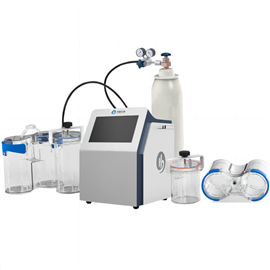
Understanding Oxygen Requirements in Culture Systems
Oxygen tolerance varies widely among bacteria. Obligate anaerobes cannot grow in the presence of oxygen, aerobes require oxygen, and microaerophiles need low oxygen concentrations—typically 2–10%—which is far below the atmospheric 20–21%. In clinical settings, the goal is to replicate the oxygen environment of the infection site to recover the pathogen. According to the Manual of Clinical Microbiology, failure to control oxygen properly during collection, transport, and incubation is a primary reason for false-negative anaerobic cultures. Thus, the core difference between an anaerobic culture system and a microaerophilic system is not just the hardware but the target oxygen window and the degree of stringency required to maintain it.
Anaerobic Culture Systems: Key Features and Workflow
An anaerobic culture system aims to achieve an oxygen-free environment (≤0.5% O₂) to support obligate anaerobes such as Clostridium, Bacteroides, and Fusobacterium. Common methods include:
- Anaerobic jars: Gas-generating sachets that produce hydrogen and carbon dioxide in the presence of a palladium catalyst, removing oxygen.
- Anaerobic chambers (glove boxes): Enclosed workspaces flushed with an anaerobic gas mix (typically 5% H₂, 5–10% CO₂, balance N₂). These allow processing and incubation under a strict oxygen-free atmosphere.
- Pre-reduced media and roll-tube techniques: Used in some research labs for extremely oxygen-sensitive organisms.
Workflow typically involves placing inoculated plates or tubes into the anaerobic environment quickly, using indicators (e.g., methylene blue or resazurin) that turn colorless when oxygen is absent. Incubation temperatures are usually 35–37°C. Many clinical laboratories use anaerobic chambers for primary processing, as they minimize exposure to ambient air during plating and tool transfer.
Microaerophilic Culture Systems: Key Features and Workflow
Microaerophilic culture systems create a reduced-oxygen atmosphere, typically 5–10% O₂, with 5–10% CO₂ and the remainder nitrogen. They are essential for organisms like Campylobacter, Helicobacter pylori, and some Streptococcus species. Common methods include:
- Microaerophilic gas-generating sachets: Placed in sealed jars, they consume oxygen and release CO₂ to reach a target gas composition without a catalyst.
- Tri-gas incubators: These incubators can precisely control O₂, CO₂, and N₂ levels through gas injection, often with an O₂ sensor feedback loop.
- Candle jars: A traditional method where a lit candle consumes oxygen, leaving approximately 10% O₂, but this is crude and not recommended for critical clinical work.
Workflow is less stringent than anaerobic work because the oxygen reduction is moderate. However, plates still need to be placed in the microaerophilic environment promptly after inoculation. Tri-gas incubators offer the most reproducible conditions and are common in high-volume labs.
Comparing Oxygen Control and Monitoring
The table below summarizes the key differences in oxygen control and monitoring between anaerobic and microaerophilic culture systems.
| Feature | Anaerobic Culture System | Microaerophilic Culture System |
|---|---|---|
| Target Oxygen Level | 0% (strict anaerobes) or ≤0.5% | 2–10%, commonly 5–6% |
| Control Method | Catalyst-based gas scavenging, gas replacement, or continuous gas flush | Pre-mixed gas sachets or tri-gas incubator injection |
| Oxygen Monitoring | Chemical indicators (methylene blue, resazurin strips) inside jar/chamber; some chambers have built-in O₂ sensors | O₂ sensor in tri-gas incubator; indicator strips sometimes used but less critical |
| Common Challenges | Leakage, spent catalysts, indicator misinterpretation | Sensor drift, gas supply interruptions, incorrect sachet placement |
Incubation Workflow Differences
The incubation workflow diverges at the point of plate handling. For an anaerobic culture system, every exposure to ambient air is a potential failure point. That is why anaerobic chambers are preferred for initial plating; plates are passed in through airlocks without ever touching room air. In contrast, microaerophilic cultures can typically tolerate brief air exposure, though extended handling should be avoided. Plates for microaerophilic incubation are often placed in jars or directly into a tri-gas incubator after seeding. In clinical labs, the urgency to get anaerobe plates into the oxygen-free environment means that staffing and space layout must be designed to minimize transport time.
Suitable Applications: Where Each System Excels
Microbiology laboratories typically support both anaerobic and microaerophilic capabilities because the organisms they recover have different oxygen tolerances. Key application areas include:
- Anaerobic culture system: Deep wound infections, abscesses, blood cultures for anaerobes, periodontal infections, and gut microbiome research. Recovery of Bacteroides fragilis or Clostridium perfringens is a classic clinical indication.
- Microaerophilic culture system: Stool cultures for Campylobacter, gastric biopsies for Helicobacter pylori, respiratory specimens for Streptococcus pneumoniae (some strains), and certain food testing protocols.
A mixed laboratory workload therefore often requires both systems. Choosing to purchase separate standalone equipment versus a single dual-atmosphere incubator depends on workflow volume and space.
Equipment Selection Points for Laboratories
When evaluating an anaerobic or microaerophilic culture system, laboratory managers should weigh the following factors:
- Throughput: How many plates or tubes will be incubated daily? High volumes may justify a large anaerobic chamber or multiple tri-gas incubators.
- Space and layout: Anaerobic chambers require significant bench space, while gas-generating jars need storage for sachets and jars. Tri-gas incubators are often stackable.
- Ease of monitoring: Chambers with integrated oxygen sensors and data logging can simplify quality records. Jar systems rely on visual indicator check.
- Gas supply: Anaerobic chambers often need a continuous supply of mixed gas, whereas sachet systems are self-contained but generate recurring consumable costs.
- Validation and compliance: Clinical labs accredited under CLIA or CAP must validate the oxygen environment. Documented sensor calibration and biological indicator testing are expected. According to the Clinical Microbiology Procedures Handbook, using a known strict anaerobe (e.g., C. sporogenes) as a positive control verifies system effectiveness.
- Total cost of ownership: Include consumables (sachets, catalysts, indicators), maintenance contracts for sensors, and staff training time.
Common Pitfalls and How to Avoid Them
Even well-designed systems can fail if used incorrectly. Common pitfalls include:
- Over-reliance on indicator strips: An indicator strip only shows that the strip location has become anaerobic; it does not guarantee the entire jar or chamber is oxygen-free. Periodic biological monitoring is essential.
- Excessive plate exposure: Allowing inoculated anaerobic plates to sit in air while waiting for a batch can reduce recovery. Plates should be moved into the anaerobic environment individually or in small batches.
- Ignoring gas purity: Impurities in gas cylinders can inhibit growth or damage sensitive sensors. Use certified gas mixtures and replace cylinders before they run out to avoid backflow contamination.
- Wrong system for the organism: Some labs attempt to grow microaerophiles in an anaerobic jar, expecting it to be “low enough.” This often fails because true anaerobe conditions lack the necessary O₂ for microaerophiles.
- Inadequate maintenance: Catalyst pellets in anaerobic jars become poisoned over time and must be replenished or reactivated. Tri-gas incubator sensors require scheduled calibration checks.
When One System Is Not Enough: Dual-Capability Considerations
Many labs find that a single anaerobic chamber or jar system cannot meet all needs. A growing trend is to use tri-gas incubators that can be set to either 0% O₂ (anaerobic) or low O₂ (microaerophilic) on demand. These versatile incubators often have programmable gas profiles, allowing a single unit to serve multiple workflows. However, caution is needed: the transition between atmospheres must be validated to prevent residual oxygen contamination. For labs with tight space, a dual-atmosphere incubator with separate, dedicated shelves may balance flexibility and reliability.
Final Takeaway: Matching System to Microbial Needs
The choice between an anaerobic culture system and a microaerophilic system comes down to the microbes you need to grow, the volume of work, and your tolerance for workflow disruption. Obligate anaerobes demand a strict oxygen-free environment, while microaerophiles require a precisely controlled low-oxygen atmosphere. Understanding these differences—and building in proper monitoring and quality checks—enables a laboratory to produce accurate, timely culture results. Whether you opt for gas-generating jars, glove-box chambers, tri-gas incubators, or a combination, the system must be matched to the biological requirement, not just the budget line item.
For system-level planning, our Laboratory Equipment Solution page can help buyers connect equipment selection with real hospital or laboratory workflows. Related equipment pages include Intelligent Anaerobic and Microaerophilic Culture System and Intelligent Anaerobic and Microaerophilic Culture System HD-AN200.