
Rapid Biological Monitoring Incubators: Faster Verification for Sterilization Processes
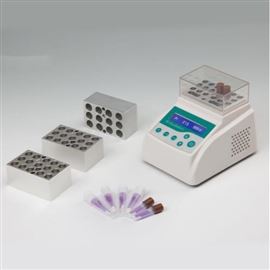
What Is a Rapid Biological Monitoring Incubator?
A rapid biological monitoring incubator is a compact laboratory instrument designed to incubate biological indicators (BIs) at a controlled temperature and automatically detect microbial growth after a sterilization cycle. Unlike conventional incubators that rely on visual inspection of growth media over several days, rapid incubators use fluorescence-based or enzyme-based detection to provide a result within hours.
The device reads a biological indicator that contains bacterial spores—typically Geobacillus stearothermophilus for steam sterilization or Bacillus atrophaeus for ethylene oxide and dry heat processes. If the sterilization was successful, no viable spores remain, and the incubator reports a negative (pass) result. If spores survived, enzymatic activity triggers a fluorescent signal or color change, quickly indicating a failure.
How Rapid Biological Monitoring Works in Sterilization Verification
Rapid biological monitoring adds speed and objectivity to a critical step in infection control. The typical workflow includes:
- Place the test BI in the sterilizer load. A biological indicator is placed in the most challenging location—usually inside a wrapped tray or a process challenge device (PCD).
- Run the sterilization cycle. The BI is exposed to the same conditions as the load.
- Activate and incubate. After the cycle, the BI is crushed or activated (depending on the brand) and placed into the rapid incubator along with an unprocessed control BI from the same lot.
- Automatic reading. The incubator maintains a specific temperature (e.g., 60°C for steam) and monitors for enzyme activity. A pass or fail result typically appears within 1–3 hours for steam and 4–24 hours for low-temperature processes.
- Document the result. Results are recorded for compliance logs. Many rapid incubators include data storage, printer output, or connectivity to electronic tracking systems.
This fast turnaround allows staff to release loads sooner, reducing holding times for sterilized items and improving instrument availability.
Rapid Incubators vs. Standard Biological Indicator Incubation
| Factor | Rapid Biological Monitoring Incubator | Standard Incubation (Visual Readout) |
|---|---|---|
| Detection method | Fluorescence or enzyme-based | Visual inspection for turbidity or color change |
| Time to result | 1–3 hours (steam); 4–24 hours (low-temp) | 24–48 hours or longer |
| Objectivity | Instrument readout; minimal user interpretation | Subjective visual assessment |
| Data management | Often includes electronic records, printing, or integration | Manual log entry |
| Typical use case | High-volume SPDs, immediate implant loads, same-day turnover | Lower-volume facilities, routine monitoring, weekend testing |
| Cost per test | Higher initial instrument cost; test BIs may be more expensive | Lower instrument cost; BIs generally less expensive |
For many busy sterile processing departments, the speed and reliability of rapid incubation justify the investment, especially when implantable devices or critical instruments must be released quickly.
Selecting a Rapid Biological Monitoring Incubator: Key Criteria
When evaluating rapid incubators, look beyond the initial purchase price and focus on these practical factors:
- Compatibility with BIs and sterilizers. The incubator must work with the biological indicators used in your facility and support the sterilization methods (steam, vaporized hydrogen peroxide, ethylene oxide, etc.).
- Result time per cycle type. Verify the advertised time-to-result for the specific sterilization process you monitor. Steam BI results should be under 3 hours; low-temperature methods may take longer.
- Throughput and capacity. How many tests can be incubated simultaneously? In multi-chamber departments, a single incubator may need to handle multiple tests from different loads.
- Data recording and traceability. Look for automatic result logging, date/time stamping, operator ID capture, and the ability to export records or integrate with instrument tracking software.
- Ease of use and training. Simple activation steps, clear display, and minimal maintenance reduce user error. Check whether the manufacturer provides on-site training or competency resources.
- Regulatory acceptance. The system should align with standards such as ANSI/AAMI ST79, CDC guidelines, and local infection control requirements. Some incubators are FDA-cleared, which may simplify documentation during surveys.
- Service and calibration support. Rapid incubators require periodic calibration and preventive maintenance. Confirm that the supplier or manufacturer can provide prompt service and calibration verification.
Documentation and Compliance Considerations
Biological monitoring is a non-negotiable part of sterilization quality assurance. Organizations like the CDC, AAMI, and The Joint Commission require routine BI testing and record keeping. Rapid incubators can simplify compliance by:
- Generating time-stamped, tamper-proof results.
- Reducing the risk of documentation errors from manual transcription.
- Providing audit-ready reports for accreditation surveys.
Even with rapid results, facilities must still follow their policies for lot number tracking, control testing, and failure investigation. A positive (failure) result should trigger immediate recall of the affected load and a root-cause analysis—a process that no incubator can replace.
Common Mistakes When Using Rapid Incubators
To get reliable results, avoid these pitfalls:
- Using expired or improperly stored BIs. Biological indicators have a shelf life and must be kept at recommended conditions. Expired BIs can yield false positives or negatives.
- Incorrect incubation temperature. Even a rapid incubator won’t perform accurately if set to the wrong temperature for the BI type.
- Failing to run a positive control. A non-sterilized control BI from the same lot must be incubated with each test to verify that the spores were viable and the incubator is working.
- Ignoring maintenance and calibration. If the optical detection system drifts, results become unreliable. Follow the manufacturer’s schedule for calibration checks.
- Assuming rapid means instant. The result time is fast but not zero; staff must allow the full incubation cycle before releasing loads.
When Rapid Incubators Are Not Enough
A rapid biological monitoring incubator is one element of a comprehensive sterilization assurance program. It does not replace:
- Chemical indicators (CIs) used inside every package to confirm exposure to the sterilant.
- Physical monitoring of cycle parameters (time, temperature, pressure).
- Routine preventive maintenance on sterilizers.
- Thorough cleaning and preparation of instruments before sterilization.
In small clinics or dental offices with lower throughput, a standard mail-in BI service or visual-readout incubator may still be adequate and more cost-effective. The decision to adopt rapid technology should match the facility’s risk profile, volume, and turnaround needs.
Final Takeaway
Rapid biological monitoring incubators give sterile processing teams the ability to verify sterilization cycles in hours instead of days, supporting faster release of critical instruments and improving compliance documentation. When selecting a unit, consider BI compatibility, result time, data management capabilities, and ongoing maintenance support. However, always view the incubator as part of a broader quality system—it complements, but does not replace, good sterilization practices, mechanical monitoring, and staff competency. By matching the tool to the real-world workflow, facilities can achieve both speed and safety in instrument reprocessing.
For system-level planning, our Infection Control and Medical Disinfection Solution page can help buyers connect equipment selection with real hospital or laboratory workflows. Related equipment pages include Rapid Biological Monitoring Incubator and Biological Indicator Incubator.