
Medical Equipment and Supplies: How Buyers Plan Mixed Procurement Lists
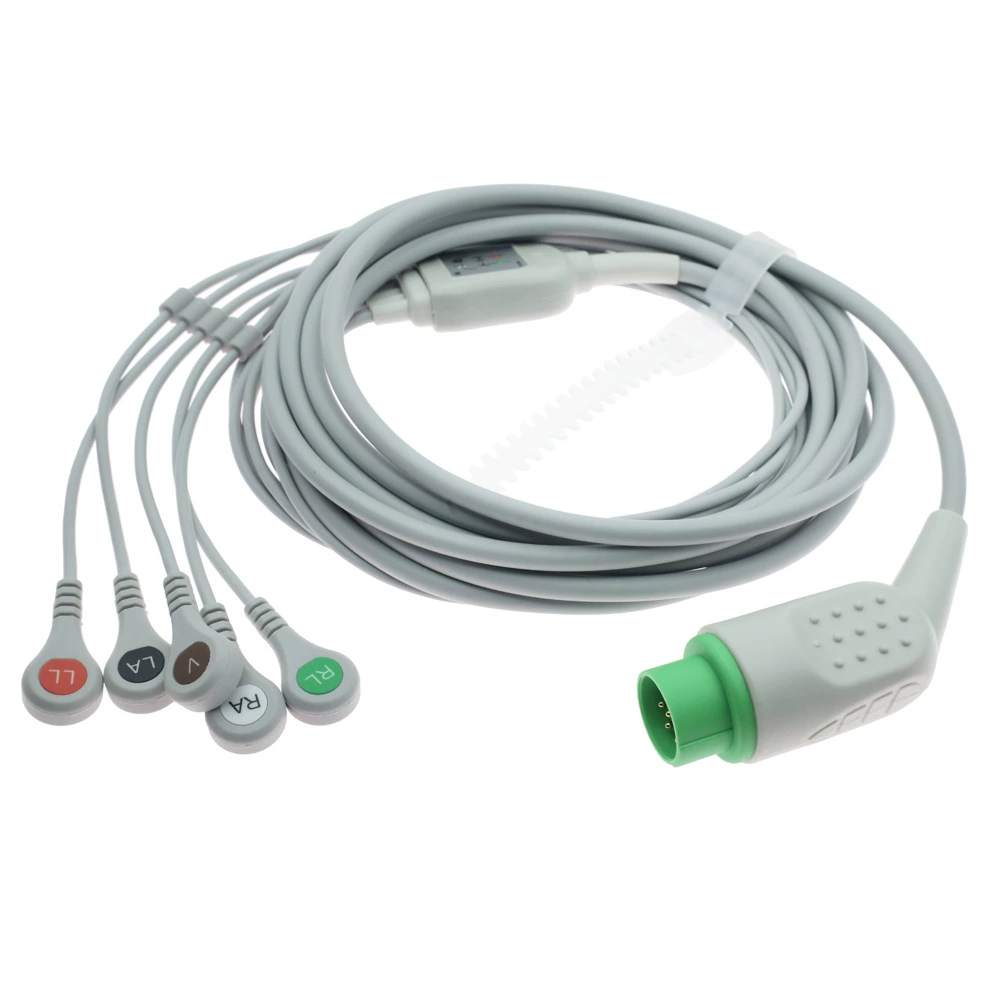
What a Mixed Procurement List Actually Covers
A mixed procurement list for medical equipment and supplies includes everything a department or facility needs to begin full operation — from major imaging systems and patient monitors to surgical gloves, IV sets, and disinfectants. It may also blend capital and recurring‑expense items under one request for proposal (RFP).
Common scenarios where a mixed list is planned include:
- Setting up a new hospital department or outpatient clinic
- Opening a diagnostic laboratory or imaging center
- Re‑equipping an existing ward with updated technology and fresh stock
- Assembling a shipment for a cross‑border or multi‑site healthcare project
The planning process aims to match each item to the clinical need, ensure compatibility, and avoid both clinical gaps and wasteful duplication. According to Introduction to Biomedical Equipment Technology (4th Edition, Carr and Brown, Chapter 15), a systematic procurement process helps institutions evaluate performance, safety, and total cost across a diverse equipment list.
Common Equipment Categories That Appear in Mixed Lists
Understanding the broad categories helps buyers organize a list that covers the full clinical scope. The table below groups items by function and typical planning concern.
| Category | Examples | Typical Planning Consideration |
|---|---|---|
| Capital imaging & diagnostics | X‑ray, ultrasound, CT, MRI | Room size, shielding, electrical load, cooling |
| Patient monitoring & life support | Vital signs monitors, defibrillators, ventilators | Network integration, alarm management, battery backup |
| Laboratory equipment | Analyzers, centrifuges, incubators, microscopes | Reagent supply chain, calibration, environmental control |
| Surgical instruments & devices | Electrosurgical units, surgical lights, autoclaves | Sterilization compatibility, consumables, safety standards |
| General clinical supplies | Gloves, syringes, catheters, tubing | Sterility, packaging, storage, expiration dating |
| Infection control & hygiene | Autoclaves, disinfectants, hand hygiene stations | Validation cycles, chemical compatibility, SPF requirements |
| Furniture & facility items | Hospital beds, stretchers, IV stands, carts | Durability, cleanability, patient weight limits |
This classification helps procurement teams group items for negotiation, shipping, and site preparation.
Key Selection Criteria for Mixed Equipment Lists
When a list mixes heavy equipment and consumables, evaluation must go beyond single‑item comparisons.
- Clinical fit: Does the device meet the required diagnostic or therapeutic specifications? Involve the clinical users early.
- Compatibility: Are accessories, reagents, and consumables readily available and interoperable with existing systems?
- Standard compliance: Confirm that equipment meets recognized standards such as ISO 13485, FDA clearance, CE marking, or local equivalent.
- Total lifecycle cost: Include purchase price, shipping, installation, training, consumables, maintenance, and decommissioning.
- After‑sales support: Check warranty terms, local service availability, and spare parts lead times.
- Scalability: For facilities planning future expansion, choose equipment that can be upgraded or networked.
- Training requirements: Complex devices may need manufacturer‑led training; budget for travel or online sessions.
Technical Documentation: What to Ask for During Procurement
Missing technical documents can delay installation, regulatory approval, and clinical acceptance. Buyers should request the following before placing an order:
- Device specifications and datasheets
- Regulatory certificates (FDA 510(k), CE, ISO 13485, CB Scheme test reports as applicable)
- User and service manuals in the intended language
- Installation and site‑preparation requirements
- Biocompatibility and sterilization validation documents for patient‑contact devices
- Software version documentation for software‑based medical devices
- Disposal instructions and environmental compliance statements
The availability of complete documentation is often a strong indicator of a manufacturer’s quality management maturity. A detailed document set also reduces the risk of customs delays when importing equipment across borders.
Quality Control Checkpoints Before Finalizing an Order
Even with third‑party certifications, a thorough buyer‑side quality check can prevent later problems. Use this checklist before signing off on a mixed list:
- Factory audits: If the order value justifies it, request a supplier quality audit report or conduct a virtual audit.
- Sample testing: For consumables and disposable supplies, test small batches against hospital protocols.
- Traceability: Confirm that serial numbers, date codes, and batch records are maintained for all equipment and sterile supplies.
- Calibration certificates: Obtain valid certificates for devices that require calibration out of the box.
- Packaging integrity: Inspect that sterile supplies are packaged appropriately for transport and climate.
- Order accuracy verification: Cross‑check every line item against the approved list before shipment.
Interim quality gates during production and pre‑shipment are especially helpful when multiple manufacturers or trading partners are involved.
Installation Needs That Affect Procurement Decisions
Many capital medical devices fail at the installation stage because site conditions were not considered during procurement. The following factors should be part of the initial list planning:
- Space and layout: confirm door widths, elevator capacity, and room dimensions.
- Utilities: electrical supply (voltage, phase, UPS requirements), medical gas piping, water quality, drainage.
- Environmental conditions: temperature, humidity, vibration limits, EMI.
- Network infrastructure: LAN ports, Wi‑Fi coverage, HL7/FHIR compatibility for information systems.
- Staff availability: trained biomedical technicians or clinical engineers ready for acceptance testing.
For international orders, the buyer should confirm whether the manufacturer supplies an installation team or if a local distributor will handle assembly. Any ambiguity can lead to weeks of idle equipment.
Planning Maintenance Across a Mixed Equipment List
Maintenance planning is easiest when treated from the procurement stage. A mixed list that looks good on paper can become a management burden if spare parts and service are unavailable.
- Preventive maintenance schedule: Identify recommended intervals (e.g., quarterly, annual) and stock required test tools.
- Spare parts: For critical devices, purchase an initial spares kit with the equipment.
- Service contracts: Compare warranty terms, and decide whether to negotiate a multi‑year service agreement at the time of purchase.
- Staff training: Biomedical engineering staff should receive hands‑on maintenance training; otherwise, budget for external service visits.
- Software updates: Determine whether software patches are included, how they are delivered, and if legal‑hold documentation is required.
A maintenance gap in just one category (e.g., reagent supply for a lab analyzer) can block whole workflows, so balance is as important as individual device quality.
Export Purchasing: Regulations and Logistics for International Buyers
When a healthcare project involves cross‑border procurement, the buyer must manage an extra layer of regulatory and logistical complexity.
- Regulatory alignment: The equipment must meet the destination country’s medical device registration requirements. Research local approvals before placing an order.
- Import duties & taxes: Harmonized System codes differ between capital equipment and consumable supplies; misclassification causes delays.
- Shipping and packaging: Mixed loads may require multiple temperature conditions; plan container arrangements carefully.
- Language and documentation: Manuals, labels, and software interfaces must be available in the destination language or a widely accepted language.
- Local agent or distributor: Many countries require a local authorized representative for medical devices; identify this partner early.
For more detailed guidance, refer to our export regulations guide for medical equipment. Combining regulatory and logistical planning within the procurement list avoids last‑minute shortages at customs.
Final Takeaway
Building a mixed medical equipment and supplies procurement list is a balancing act. Whether setting up a new facility or upgrading an existing department, buyers need to match clinical priorities with technical documentation, quality assurance, installation realities, maintenance planning, and export logistics. Starting with a clear classification of categories, applying consistent selection criteria, and documenting every checkpoint moves the process from guesswork to a repeatable, defendable procurement plan. When in doubt, involve clinical engineers early — they can help translate the clinical wish list into a technically sound, life‑cycle‑ready equipment slate.
For system-level planning, our Medical Equipment Export Solution page can help buyers connect equipment selection with real hospital or laboratory workflows. Related equipment pages include Biomedical Equipment Product Catalog and Laboratory Equipment Accessories.