
Medical Equipment Suppliers: Buyer Evaluation Guide for Export Procurement
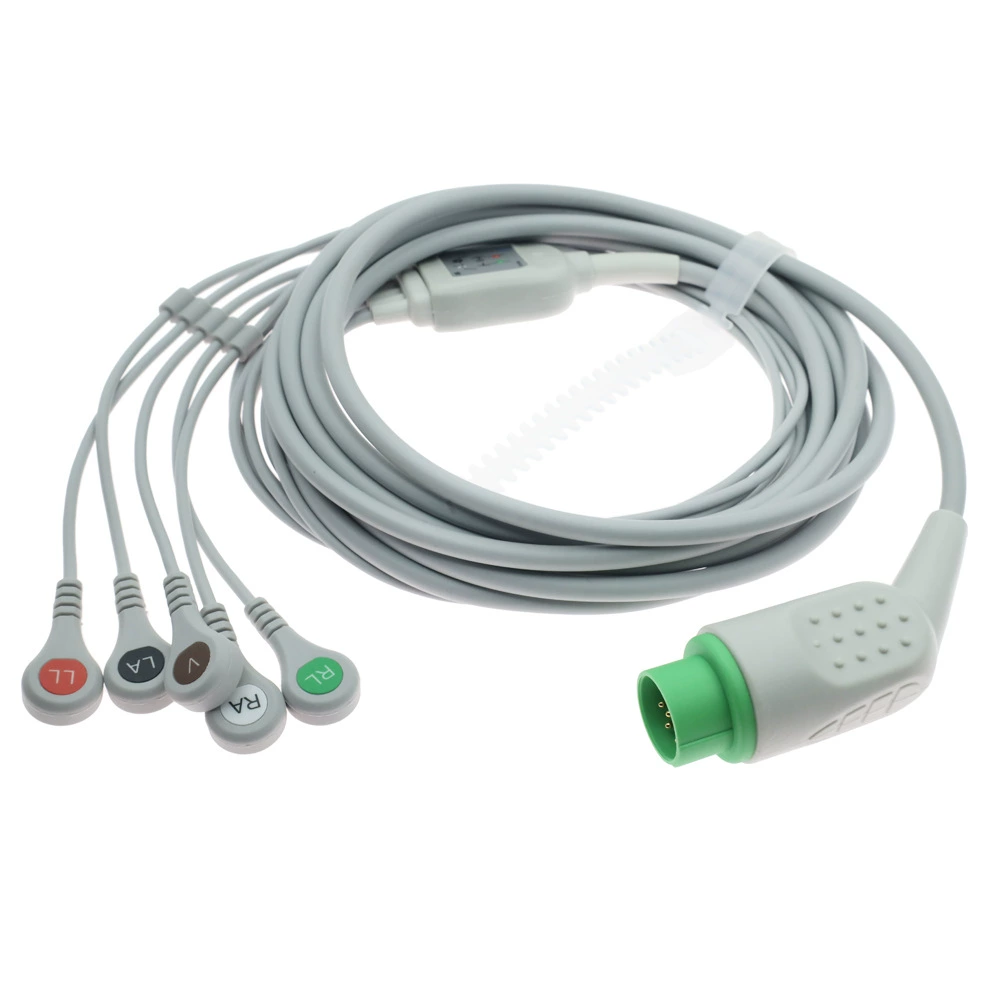
This guide walks through the practical criteria for evaluating medical equipment suppliers when buying for export. It covers product range, certifications, export logistics, spare parts availability, order flexibility, and due diligence steps that help reduce procurement risk.
What Makes a Reliable Medical Equipment Supplier for Export?
A reliable medical equipment supplier demonstrates strength in five areas: regulatory compliance, product specialization, export readiness, after-sales infrastructure, and transparent commercial terms. These factors directly affect device performance, user safety, and total cost of ownership in the destination country.
For export procurement, even small gaps in documentation or technical support can delay customs clearance or immobilize equipment in a clinical setting. A supplier’s willingness to provide full regulatory dossiers, test reports, and installation support should be treated as a baseline requirement, not a bonus.
Evaluating Product Range and Technical Specialization
Medical equipment suppliers may offer broad catalogs or focus on specific device categories. Neither is inherently better, but the supplier’s technical specialization must align with your procurement scope.
Key points to review:
- Core product lines: Does the supplier manufacture or distribute the devices you need, or does it rely on third parties?
- Intended use and clinical environment: Devices designed for a small clinic may not meet the demands of a high-volume hospital.
- Compatibility: Electrical ratings, consumables, and accessories should match local standards in the destination country.
- Technology lifecycle: Ask about software updates, calibration requirements, and end-of-service support.
A supplier with deep engineering knowledge in one area often provides better long-term support than a generalist that resells many product lines without in-house technical expertise.
Critical Certifications and Regulatory Compliance
Certifications demonstrate that a medical equipment supplier follows recognized quality management and product safety standards. Without them, a device may be held at customs or rejected by local health authorities.
Common certifications and declarations to verify:
- ISO 13485: Quality management system specific to medical devices.
- CE marking (EU): Indicates conformity with European health, safety, and environmental requirements.
- FDA registration or clearance (US): Required for devices marketed in the United States.
- Country-specific approvals: Many countries require additional registration, such as ANVISA in Brazil, TGA in Australia, or CDSCO in India.
- Declaration of Conformity: The supplier should provide a signed document stating which directives and standards the device meets.
Always request copies of current certificates and validate them with the issuing body when possible. A supplier that is reluctant to share compliance documents should raise immediate concern.
According to Medical Device Quality Systems: A Practical Guide, maintaining a robust supplier qualification program, including verification of certifications, is a key element of quality system regulation.
Export Documentation and Logistics Readiness
Export documentation errors are one of the most common causes of shipment delays and extra costs. A capable supplier should prepare accurate documents and assist with trade compliance.
Standard documents to expect:
- Commercial invoice with HS codes
- Packing list
- Bill of lading or airway bill
- Certificate of origin (if required by the importing country)
- Certificates of analysis or sterility (for consumables)
- Insurance certificates
- Any required export licenses
Ask the supplier how they handle Incoterms. Clear agreement on whether the price covers FOB, CIF, or DDP terms prevents misunderstandings about freight, insurance, and customs duties.
Logistics readiness also includes safe packaging. Medical devices often require vibration protection, temperature control, or sterile barrier packaging. Confirm that the supplier follows ISTA or ASTM packaging standards for international shipments.
After-Sales Support and Spare Parts Availability
After the equipment arrives, the real test of a supplier begins. Prompt technical support and reliable spare parts supply keep devices in clinical operation and protect the procurement investment.
Evaluate these aspects before signing any order:
- Warranty terms: Duration, what is covered, and whether on-site service is included.
- Technical support access: 24/7 hotline, remote diagnostic capability, local service partners.
- Spare parts policy: Availability of critical parts, recommended spare-parts list, and typical delivery time.
- Training: User and biomedical technician training programs.
- Service agreements: Preventive maintenance contracts tailored to the device type and usage.
A supplier that cannot demonstrate a structured after-sales service model for export markets may leave hospitals stranded when a device fails.
Understanding MOQ, Lead Time and Order Flexibility
Minimum order quantity (MOQ) and lead time affect procurement planning, especially for smaller healthcare facilities or pilot programs. While larger orders often secure better pricing, rigid MOQs can create inventory pressure.
Discuss these commercial terms early:
- MOQ: Is it per item, per product line, or per shipment? Can it be negotiated for initial trial orders?
- Lead time: Production lead time plus shipping. Confirm whether lead time starts from order confirmation or from receipt of payment.
- Order flexibility: Can you mix products in one container? Are partial shipments allowed? How are backorders handled?
Transparent lead-time commitments help synchronize equipment delivery with facility readiness. Suppliers that consistently meet or beat their stated lead times add predictability to procurement schedules.
Buyer Due Diligence Checklist for Medical Equipment Suppliers
Use this checklist to systematically evaluate medical equipment suppliers before placing an export order. Each item should be supported by documentation, not just sales promises.
| Due Diligence Item | What to Verify | Red Flag if Missing |
|---|---|---|
| Business License & Registration | Valid registration in the supplier’s country | Unable or unwilling to provide official documents |
| ISO 13485 Certification | Current certificate from an accredited body | Expired or self-declared without audit |
| Product Regulatory Approvals | CE, FDA, or local market approvals | No certificates; claims that “approval is in progress” indefinitely |
| Manufacturing Site Audit | On-site visit or third-party audit report | Refuses facility access |
| Client References | Contact information for export clients using similar devices | No references or only domestic references |
| Financial Stability | Credit report, bank references | Requests large advance payment with no track record |
| After-Sales Infrastructure | Service centers, spare parts inventory, technical staff | No dedicated service team; relies on email-only support |
| Export Documentation Samples | Review past shipping documents | Disorganized or inconsistent paperwork |
Conducting this due diligence may take time, but it reduces the risk of receiving non-compliant devices or being left without support after delivery.
Red Flags to Avoid When Selecting a Supplier
Some warning signs indicate deeper problems in a medical equipment supplier’s operations. Recognizing these early can prevent costly procurement failures.
- Missing or expired certifications without a credible renewal plan.
- Unrealistically short lead times compared to industry norms for similar devices.
- Vague or evasive answers about after-sales service procedures.
- Pressure to finalize the order without allowing due diligence checks.
- Inconsistent company information across different documents or platforms.
- No physical address or only a virtual office.
- Refusal to provide client references in your region or device category.
When multiple red flags appear, it is safer to pause the procurement process and investigate further, even if the price appears attractive.
Building a Long-Term Supplier Partnership
Export procurement of medical equipment works best when treated as a long-term relationship rather than a one-time transaction. A supplier that understands your facility’s clinical goals and evolving needs can help plan equipment upgrades, manage regulatory changes, and maintain device uptime.
After the first successful order, continue to evaluate supplier performance through regular reviews of delivery timing, documentation accuracy, and support responsiveness. This ongoing assessment builds a reliable supply chain that supports safe patient care.
The time spent evaluating medical equipment suppliers upfront pays back many times through fewer customs delays, longer equipment service life, and stronger clinical outcomes.
For system-level planning, our Medical Equipment Export Solution page can help buyers connect equipment selection with real hospital or laboratory workflows. Related equipment pages include Biomedical Equipment Product Catalog and Laboratory Equipment Accessories.