
Medical Equipment Supplier: Buyer Evaluation Guide for Export Procurement
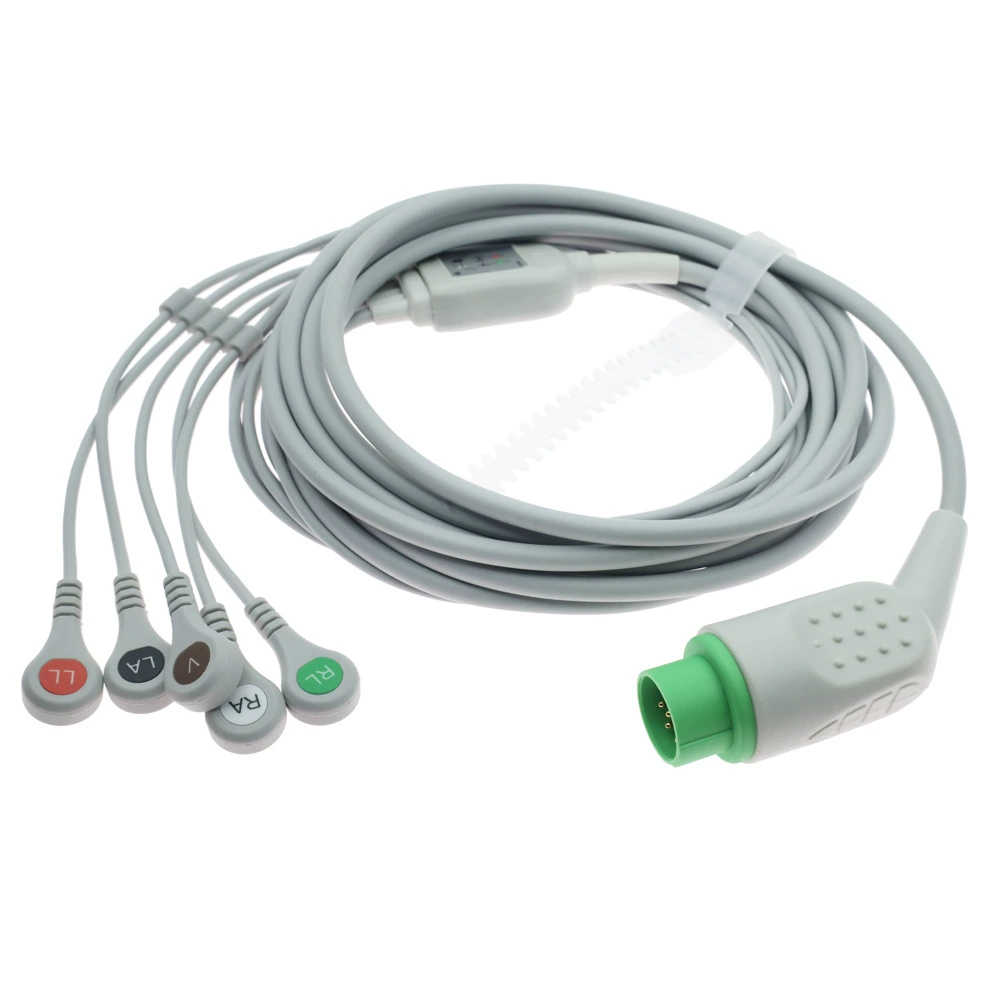
Understanding the Role of a Medical Equipment Supplier
A medical equipment supplier acts as the bridge between manufacturing and end-use clinical settings. In export procurement, the supplier must not only provide devices that meet international standards but also handle documentation, logistics, and often post-delivery support. A supplier that only focuses on the sale, without strong operational backing, can create delays, compliance gaps, and maintenance nightmares. Before diving into product specifics, establish whether the supplier has a proven export track record, dedicated support teams, and transparent processes for handling overseas transactions.
Product Range and Specialization: Matching Your Needs
Not all medical equipment suppliers cover the same categories. Some excel in imaging systems, others in patient monitoring, laboratory devices, or consumables. A supplier with a narrow focus may offer deeper technical expertise, while a broader range can simplify procurement if you need multi-department equipment. Evaluate the product portfolio against your list of required devices and preferred brands or equivalents. Check whether the supplier can source ancillary items, consumables, and accessories that are essential for the primary equipment to function fully. A mismatch here can force you to manage multiple vendors, complicating logistics and service agreements.
Certifications and Regulatory Compliance: The Non-Negotiables
Medical devices must comply with the regulatory frameworks of both the country of origin and the destination market. A qualified medical equipment supplier should be able to provide valid certifications such as ISO 13485 (medical device quality management), CE marking (for European markets), FDA clearance (for the U.S.), and any national registration certificates required by your health authority. Look for evidence of Good Distribution Practice (GDP) if cold-chain or sensitive shipments are involved. According to the World Health Organization’s Medical Device Technical Series, a robust procurement system verifies that suppliers maintain consistent quality management across all sourced products. Request certificates, check validity dates, and cross-reference with the relevant issuing body’s online database when possible.
Export Documentation and Logistics: What Your Supplier Should Provide
Exporting medical equipment requires a precise set of documents. Your supplier should be capable of producing: commercial invoice, packing list, certificate of origin, bills of lading or airway bills, and any export license or clearance from the country of origin. For regulated devices, additional certificates such as Free Sale Certificate (FSC) or Certificate to Foreign Government (CFG) may be necessary. The supplier must also coordinate with freight forwarders to ensure correct Incoterms, insurance, and customs brokerage support. A well-prepared supplier will have a documentation specialist who can pre-advise you on your destination country’s import requirements, avoiding customs holds and demurrage fees.
After-Sales Support and Maintenance Commitments
Medical equipment is a long-term investment. A supplier’s after-sales service can make or break your facility’s operational continuity. Before signing a purchase agreement, clarify the scope of warranty (duration, what is covered, on-site vs. depot repair), availability of technical support (remote, on-site, response times), and whether service contracts can be extended beyond the warranty period. A trustworthy medical equipment supplier will have a documented service policy, trained engineers, and a helpdesk system. Ask for a sample service level agreement (SLA) and check if the supplier has local service partners or remote diagnostic capabilities for major equipment.
Spare Parts Availability and Supply Chain Reliability
Downtime caused by waiting for spare parts can compromise patient care. When evaluating suppliers, inquire about spare parts inventory levels, lead times for critical components, and whether they can provide a recommended spare parts list for the first two years of operation. A supplier with a dedicated spare parts management system and regional depots can significantly reduce delays. Verify if consumables and single-use items are easily obtainable and whether the supplier offers consignment stock arrangements to keep essential items on site without large upfront purchases.
Minimum Order Quantity (MOQ) and Lead Time: Aligning with Your Procurement Cycle
MOQ and lead time are practical constraints that can affect procurement planning. Some suppliers impose high MOQs on specific devices or consumables, which may strain budget and storage if you only need a small initial batch. Negotiate MOQs that match your realistic usage forecasts. Lead time—the period from order confirmation to delivery at your location—should be clearly stated and should account for manufacturing, export documentation, transit, and customs clearance. Unexpectedly long lead times can delay installation and project completion. A reliable medical equipment supplier will provide realistic lead times and keep you informed of any supply chain disruptions.
Buyer Due Diligence: How to Vet a Medical Equipment Supplier
Thorough due diligence reduces the risk of fraud, non-compliance, and supplier failure. The table below outlines a practical verification checklist to apply when assessing potential suppliers.
| Due Diligence Area | Key Verification Points | Red Flags |
|---|---|---|
| Business Registration | Valid trade license, incorporation documents, and tax registration | Expired or missing documents; refusal to provide copies |
| Quality Certifications | ISO 13485, CE, FDA, or equivalent; up-to-date audit reports | Certificates not verifiable; self-declared without accreditation |
| Export History | References from international clients, especially in your region | No export track record; unable to provide client references |
| Financial Stability | Bank references, credit reports, or audited financial statements | Unwillingness to share financial health indicators |
| Product Authenticity | Traceability from OEM, serial number verification, anti-counterfeit checks | Gray market sourcing concerns; inconsistent product origins |
| Logistics Competence | Experience with Incoterms, export packing, and dangerous goods handling | Confusion about export documentation; frequent shipping delays |
| Service Capability | Trained service engineers, repair facilities, and spare parts inventory | No local or regional service support; unclear after-sales policy |
| Contract Transparency | Clear terms on warranty, liability, payment, and dispute resolution | Vague or one-sided contracts; hidden fees |
Supplement document review with site visits (in-person or via third-party audits) whenever possible. Engage a local regulatory consultant if your destination market has complex registration requirements, and always pilot a small order before committing to large-volume purchases.
Final Steps for a Smart Supplier Selection
Choosing a medical equipment supplier for export procurement is not a one-time transaction—it is the start of a long-term partnership. After narrowing down candidates based on the criteria above, request a formal quote with detailed specifications, delivery terms, and service inclusions. Compare not only price but total cost of ownership, including shipping, duties, installation, training, and maintenance over the equipment lifecycle. A supplier that consistently meets documentation, lead time, and support expectations will contribute more value over the lifespan of the equipment than one that merely offers the lowest upfront cost.
For system-level planning, our Medical Equipment Export Solution page can help buyers connect equipment selection with real hospital or laboratory workflows. Related equipment pages include Biomedical Equipment Product Catalog and Stand-Up Sample Bag with Breathing Valve.