
Medical Equipment: Categories, Applications and Export Buyer Checklist
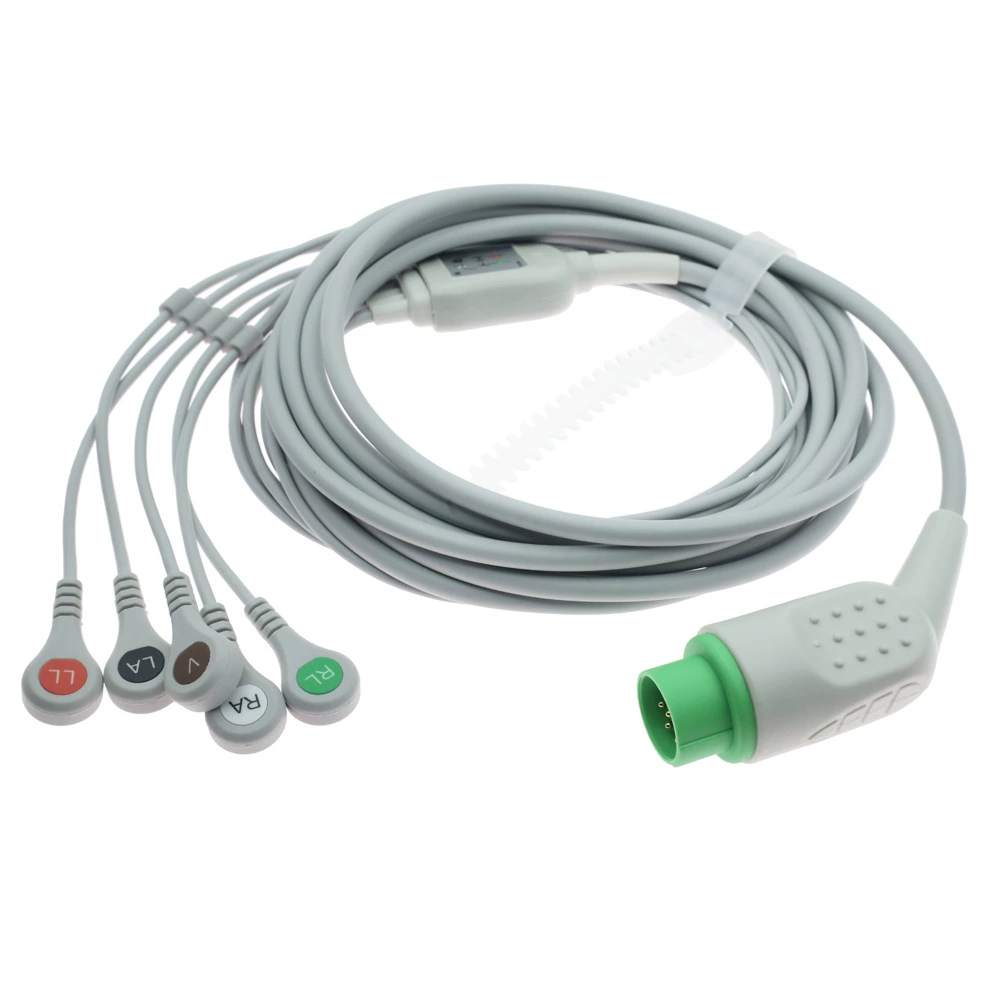
What Is Medical Equipment?
Medical equipment includes any device, instrument, machine, or system used to prevent, diagnose, treat, monitor, or compensate for a disease or injury. It spans everything from a simple stethoscope to a complex MRI scanner. The World Health Organization groups medical devices into categories based on risk and function, but for procurement, it is more useful to think about clinical purpose, technical complexity, and maintenance needs.
Categories of Medical Equipment
Understanding the main categories helps buyers match equipment to clinical departments and regulatory requirements. The table below groups equipment by typical clinical area and function. This is not a regulatory classification, but a practical procurement view.
| Category | Common Clinical Area | Examples | Key Considerations |
|---|---|---|---|
| Diagnostic Imaging | Radiology, cardiology, orthopedics | X‑ray, CT, MRI, ultrasound, mammography | Room shielding, cooling, power, calibration |
| Patient Monitoring | ICU, emergency, general ward | Vital signs monitors, ECG, pulse oximeters, capnography | Network integration, alarm management, consumables |
| Surgical Instruments & Equipment | Operating theater, day surgery | Electrosurgical units, surgical tables, lights, endoscopes | Sterilization, instrument tracking, smoke evacuation |
| Life Support & Resuscitation | ICU, NICU, emergency | Ventilators, defibrillators, anesthesia machines, incubators | Training requirements, backup power, consumables |
| Clinical Laboratory Equipment | Pathology, microbiology, biochemistry | Analyzers, centrifuges, incubators, microscopes | Reagent supply chain, calibration, waste disposal |
| Rehabilitation & Physiotherapy | Physio, orthopedics, home care | Exercise bikes, traction units, TENS, walking aids | User safety, low maintenance, ergonomics |
| Sterilization & Infection Control | CSSD, operating rooms | Autoclaves, washer‑disinfectors, UV disinfection | Cycle validation, water quality, safety interlocks |
Common Applications Across Healthcare Settings
Medical equipment is not only found in large hospitals. Its application varies with the care level:
- Hospitals and specialty clinics: High‑end imaging, surgical suites, ICUs, full laboratory automation.
- Primary care and polyclinics: Point‑of‑care diagnostics, basic ultrasound, ECG, autoclaves.
- Home healthcare: Portable oxygen concentrators, infusion pumps, CPAP, home dialysis machines.
- Diagnostic chains: High‑throughput analyzers, MRI/CT for independent centers.
- Academic and research: Advanced imaging, biobank equipment, specialized measurement devices.
Each setting drives different requirements for power, connectivity, portability, and operator training.
Key Selection Criteria
When evaluating medical equipment, procurement teams should go beyond the datasheet. The following checklist helps structure the decision process:
- Clinical need and intended population – Pediatric vs. adult, chronic vs. acute, diagnostic accuracy required.
- Technical specifications and performance – Accuracy, resolution, throughput, safety standards (IEC 60601, ISO).
- Regulatory status in destination country – FDA 510(k), CE marking, local registration.
- Interoperability and IT integration – HL7, DICOM, EMR compatibility, cybersecurity.
- Total cost of ownership (TCO) – Consumables, spare parts, service contracts, energy, disposal.
- Installation requirements – Space, utilities, environmental conditions, special construction.
- Training and support – Manufacturer training, user manual language, remote support availability.
- Supplier reliability – Track record, warehousing, after‑sales service in the region.
Technical Documentation and Compliance
Export buyers must verify that the medical equipment comes with complete and valid technical documentation. This reduces regulatory risk and speeds up customs clearance. Typical documents to request include:
- Device registration certificate (FDA 510(k) or EU CE certificate)
- Declaration of Conformity (DoC)
- ISO 13485 certificate for the manufacturer
- Test reports for IEC 60601-1 (safety) and IEC 60601-1-2 (EMC)
- User manual and service manual in destination language
- List of critical spare parts and consumables
- Calibration certificates where applicable
- Software verification and validation documents
According to the Medical Device Quality Systems Manual (FDA), a compliant quality system ensures that device specifications, purchasing controls, and acceptance activities are properly documented. Buyers should treat missing or incomplete documentation as a red flag.
Quality‑Control Checkpoints Before Shipment
For international trade, pre‑shipment inspection is critical. Common quality‑control checkpoints include:
| Checkpoint | What to Verify |
|---|---|
| Functional testing | All operational modes work within specifications; accessories included. |
| Electrical safety | Ground resistance, leakage current, voltage tolerance (as per IEC 60601). |
| Calibration | Key parameters calibrated against traceable standards. |
| Software version and configuration | Correct version installed, licenses activated. |
| Packaging and labeling | Export packaging robust, labels in destination language, UDI present. |
| Documentation audit | All required certificates, manuals, and test reports packed or digitally available. |
| In‑process inspection | Random sampling during manufacturing to catch assembly defects early. |
Third‑party inspection agencies can perform these checks if the buyer cannot be on‑site.
Installation and Commissioning Essentials
Even well‑built equipment can fail if installed incorrectly. A clear commissioning plan avoids surprises:
- Site readiness: Confirm floor load, power (voltage, frequency, backup), water quality (for sterilization and dialysis), ventilation, and environmental limits (temperature, humidity).
- Rigging and moving: Large equipment like CT scanners may need special lifting, door clearance, and route planning.
- IT network preparation: VLANs, static IPs, hospital network segmentation, and cybersecurity controls.
- Acceptance testing: Run predefined test protocols, compare results with factory data, and test all safety interlocks.
- Training: Hands‑on training for biomedical staff, clinicians, and operators before equipment is handed over.
Maintenance Considerations
Medical equipment uptime depends on a solid maintenance strategy from day one:
- Preventive maintenance schedule: Follow manufacturer‑recommended intervals; adapt based on usage and environment.
- Spare parts planning: Identify critical parts (fuses, sensors, pumps) and keep regional stock or lead‑time agreements.
- Service contracts: Evaluate OEM vs. third‑party service; consider guaranteed response times and remote support.
- In‑house capability: Train biomedical engineers on first‑level troubleshooting, calibration, and basic repairs.
- Obsolescence management: Plan for software updates, end‑of‑life components, and replacement cycles.
Export Buyer Checklist
Cross‑border medical equipment procurement requires attention to detail far beyond price. Use this checklist to stay systematic:
- Regulatory pathway confirmed – Check whether the device is registered or requires additional approval in the destination country (e.g., FDA, CE, ANVISA, SFDA).
- Power and environmental compatibility – Voltage, frequency, plug type, and climatic conditions match the site.
- Documentation pack complete – All technical, regulatory, and service documents translated if necessary.
- After‑sales service arranged – Local authorized service partner, spare parts availability, and remote support confirmed.
- Logistics and shipping planned – Incoterms, insurance, cold chain (if needed), and import duties calculated.
- Inspection and testing before shipment – Factory acceptance test (FAT) witnessed or third‑party inspection scheduled.
- Training plan agreed – Who will train the end‑users, when, and in what language.
- Software and cybersecurity checked – Embedded software version, patches, and data privacy compliance for the destination market.
- Payment and trade compliance verified – Letter of credit terms, sanctions screening, and end‑user certificate if required.
- Local installation and commissioning scheduled – Timeline and responsibilities agreed with the supplier.
Following these steps helps clinical procurement teams avoid costly delays, regulatory fines, or unsafe installations.
Making Informed Procurement Decisions
Medical equipment procurement is not a one‑size‑fits‑all process. The right choice balances clinical need, regulatory compliance, technical support, and total lifecycle cost. By using the categories, selection criteria, and the export checklist in this guide, buyers can move from a vague request to a clear, actionable evaluation. Whether you are outfitting a new hospital wing, replacing aging devices, or sourcing for an overseas clinic, a systematic approach to medical equipment always pays off in safer, more reliable patient care.
For system-level planning, our Medical Equipment Export Solution page can help buyers connect equipment selection with real hospital or laboratory workflows. Related equipment pages include Biomedical Equipment Product Catalog and Sterilization Equipment Accessories.