
Home Medical Supplies: Product Range, Packaging and Care Procurement Guide
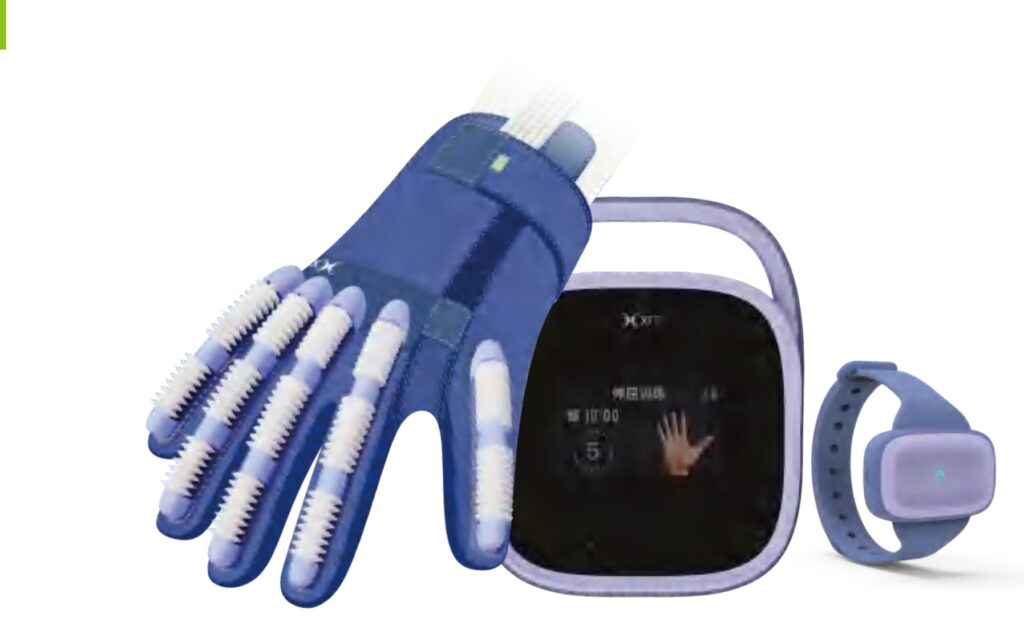
What Are Home Medical Supplies and Who Uses Them?
Home medical supplies refer to devices, consumables, and support products intended for patient use outside of clinical facilities. They range from simple bandaging materials and mobility aids to more complex equipment like oxygen concentrators, patient monitors, and home infusion pumps.
Common users include:
- Chronically ill or aging adults managing conditions at home
- Post-surgical patients during recovery
- Individuals requiring long-term respiratory, diabetic, or wound care
- Family caregivers assisting with daily medical routines
- Home health agencies and visiting nurses
- Hospice and palliative care programs
The FDA classifies many of these products as home use medical devices and emphasizes that labeling, instructions, and user training must be appropriate for lay users in non-clinical environments.
Product Range Overview: Key Categories of Home Medical Supplies
The home medical supplies landscape includes a wide array of products. The following table organizes major categories, typical products, and common applications to help procurement teams structure their sourcing plans.
| Category | Typical Products | Common Home Applications |
|---|---|---|
| Mobility Aids | Walkers, rollators, canes, manual wheelchairs, patient lifts | Fall prevention, daily ambulation, transfers |
| Respiratory Care | Oxygen concentrators, nebulizers, CPAP/BiPAP machines, suction pumps | COPD, sleep apnea, respiratory therapy |
| Monitoring Devices | Blood pressure monitors, pulse oximeters, glucose meters, thermometers | Vital sign tracking, chronic disease management |
| Wound Care Supplies | Gauze, bandages, hydrocolloid dressings, wound cleansers, tapes | Post-surgical wounds, pressure ulcers, minor injuries |
| Incontinence & Urological | Adult briefs, underpads, catheters, drainage bags | Incontinence management, long-term catheter care |
| Durable Medical Equipment (DME) | Hospital beds, overbed tables, lift chairs, commodes | Bedridden patient care, full-time home room setups |
| Diabetes Care | Insulin pens, syringes, lancets, continuous glucose monitors | Daily insulin administration, glucose tracking |
| Enteral & Parenteral Nutrition | Feeding tubes, enteral pumps, syringes, formula bags | Tube feeding at home, nutritional support |
This list is not exhaustive, but it captures the most commonly procured categories. Each category carries distinct storage, maintenance, and training needs that must be addressed during procurement.
Safety and Regulatory Considerations for Home Medical Supplies
Procurement teams must confirm that all home medical supplies meet applicable regulatory standards. In the United States, the FDA Center for Devices and Radiological Health (CDRH) oversees medical devices, including those intended for home use. Key points to verify include:
- FDA clearance or approval status for the specific device class
- Labeling that includes clear instructions for lay users
- Appropriate symbols and warnings for non-clinical settings
- Compliance with IEC 60601 series (electrical safety) for powered devices
- Packaging that protects sterility and product integrity during distribution
Beyond the device itself, the home environment introduces unique safety risks—electrical outlet adequacy, water exposure, presence of children or pets, and variable storage temperatures. According to FDA home use device guidance, manufacturers must provide information on how to mitigate these environmental risks, and procurement decisions should favor products with robust home-use instructions.
Installation Space and Home Environment Requirements
Not all home medical supplies require installation, but many durable devices depend on adequate space, power, and environmental conditions. Before placing an order for large-quantity procurement, evaluate the following:
- Floor space and clearance: Hospital beds, patient lifts, and oxygen concentrators need enough room for safe operation and caregiver access.
- Power supply: Check voltage requirements, need for backup power, and outlet proximity. Some devices require dedicated circuits or surge protection.
- Lighting and accessibility: Monitoring devices should be readable in dim rooms; controls should be reachable from a bed or chair.
- Environmental controls: Humidity and temperature limits for devices like CPAP humidifiers or refrigerated medications must be maintainable in the home.
- Mobility within the home: Devices on wheels or with long tubing/cords require pathways free of clutter and thresholds.
Distributors and care providers can create a simple environmental checklist for each home prior to delivering equipment, reducing return rates and safety incidents.
Maintenance and Care Requirements for Home Medical Supplies
Home medical supplies need consistent maintenance to perform safely and last their intended service life. Procurement planning should include maintenance schedules and replacement part availability. Common upkeep tasks include:
| Device Type | Typical Maintenance Tasks | Recommended Frequency |
|---|---|---|
| Oxygen Concentrators | Filter cleaning/replacement, cannula check, alarm testing | Weekly / per manufacturer |
| Patient Lifts | Battery charging, sling inspection, hydraulic check | Before each use |
| Blood Pressure Monitors | Cuff cleaning, accuracy verification | Monthly / per guidelines |
| CPAP Devices | Mask cushion replacement, humidifier chamber cleaning, tubing replacement | Daily / as recommended |
| Hospital Beds | Mattress rotation, rail latch testing, motor function check | Weekly / monthly |
| Glucose Meters | Strip expiration date check, control solution testing | With each new vial / per protocol |
Procurement agreements should clarify who is responsible for maintenance—the end user, a home health agency, or the equipment supplier. Clear documentation and user training reduce preventable failures.
Caregiver Usability: Design and Training Considerations
Home medical supplies are often operated by non-professional caregivers under stress. Equipment that is difficult to set up, clean, or interpret can lead to errors. When evaluating products for procurement, prioritize the following usability features:
- Intuitive controls with large, clearly labeled buttons
- Audio and visual alarms that are easy to understand
- Minimal assembly steps with fool-proof connectors
- Quick-reference guides and pictograms, not just dense manuals
- Battery indicators and low-battery warnings that are prominent
- Compatibility with common home charging cables (USB, standard plugs) when safe
Training resources should be made available in multiple formats: printed quick-start guides, video demonstrations, and accessible online portals. In home care programs, initial setup by a trained professional significantly improves long-term adherence and safety. The Clinical Engineering Handbook notes that effective home device training is as critical as the device design itself, because user error is a frequent cause of device-related incidents in the home.
Procurement Suitability for Distributors and Care Providers
When sourcing home medical supplies at scale, technical performance is only one part of the decision. The following criteria help procurement teams assess supplier suitability and product fit for home care programs:
- Regulatory compliance: Consistent FDA listing, CE marking if applicable, and ISO 13485 quality system certification for the manufacturer.
- Packaging integrity: Sterile items must arrive with intact seals; outer packaging should withstand shipping and home storage conditions.
- Shelf life and lot control: Expiration dates must be clearly marked; lot traceability is essential for consumables.
- Documentation bundle: Each product should include IFUs (Instructions for Use) appropriate for home users, not just hospital professionals.
- Logistics reliability: Lead times, minimum order quantities, and delivery flexibility matter for maintaining home care supply chains.
- After-sales support: Availability of replacement parts, consumables, and technical assistance for troubleshooting in the home.
- Scalability: Can the supplier support volume changes as care programs grow?
A balanced scorecard approach helps standardize evaluation across multiple suppliers and product categories, reducing the risk of selecting based on price alone.
Common Mistakes to Avoid When Procuring Home Medical Supplies
Even experienced buyers can overlook critical details. Below are frequent pitfalls and how to prevent them:
- Ignoring the home environment: Assuming a device that works well in a hospital will function safely in a two-story home with no elevator and old wiring.
- Underestimating caregiver burden: Selecting complex devices without confirming that a family member can realistically operate them daily.
- Focusing only on unit cost: Neglecting total cost of ownership, including disposables, batteries, filters, and service contracts.
- Overlooking packaging durability: Sterile supplies that arrive with compromised packaging become waste and a safety risk.
- Skipping trial or user testing: Rolling out a new supply type across a large program without first testing it in a few real home settings.
- Not planning for maintenance: Buying devices without a clear plan for who will clean, inspect, and replace them over time.
- Disconnected documentation: Procuring items that lack plain-language home-use instructions, leading to misuse or non-compliance.
Final Takeaway: Building a Reliable Home Medical Supply Program
Home medical supplies are a growing segment that bridges clinical care and daily living. Successful procurement programs look beyond the device catalog and consider the entire ecosystem: user capability, home environment, maintenance logistics, and regulatory context. By evaluating each product category against safety, usability, and support criteria, distributors and care providers can deliver a supply program that keeps patients safer and reduces the total cost of care.
Start with a clear definition of the end-user scenario, build a procurement checklist that includes the factors outlined here, and pilot new supplies before scaling. This approach turns home medical supply procurement from a reactive shopping task into a strategic, patient-centered service.
For system-level planning, our Medical Equipment Export Solution page can help buyers connect equipment selection with real hospital or laboratory workflows. Related equipment pages include Biomedical Equipment Product Catalog and Patient Monitor Accessories.