
Home Medical Equipment: Use Cases, Safety Checks and Distributor Buying Guide
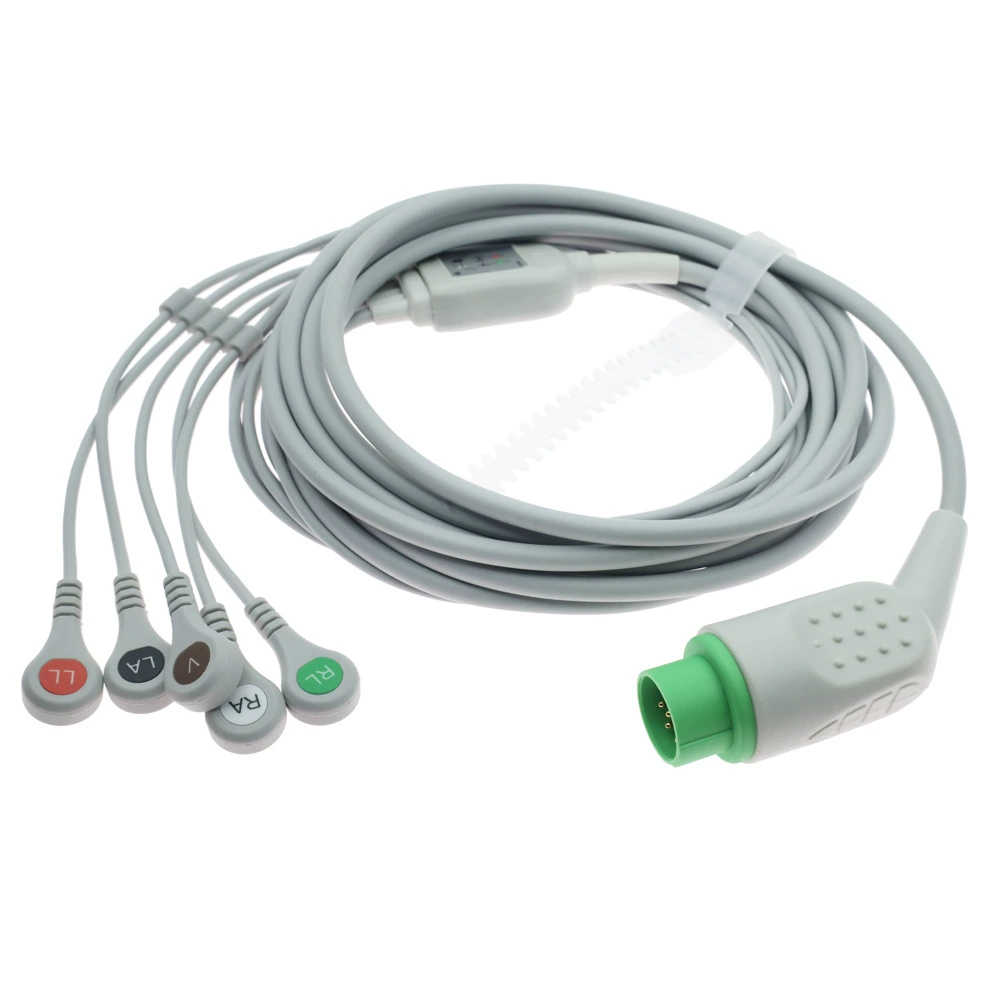
This guide explains home medical equipment by common use cases, essential safety checks, space and installation needs, maintenance routines, caregiver usability factors and key procurement considerations. It is written for buyers and planners who need to evaluate equipment suitability rather than shop for lowest price.
What Is Home Medical Equipment?
Home medical equipment refers to devices, aids and supplies used by patients at home under the direction of a healthcare professional. Unlike hospital equipment designed for continuous clinical monitoring, home-use devices are built for simpler operation, often by patients or non-professional caregivers.
Common categories include:
- Mobility aids: wheelchairs, walkers, canes, patient lifts
- Respiratory equipment: oxygen concentrators, CPAP/BiPAP devices, nebulizers, suction machines
- Monitoring devices: blood pressure monitors, pulse oximeters, glucose meters, thermometers
- Durable medical equipment (DME): hospital beds, patient lifts, commodes, shower chairs
- Wound care and incontinence supplies: dressings, catheters, ostomy products
- Infusion and nutrition equipment: enteral feeding pumps, IV poles, infusion pumps
According to Medical Instrumentation: Application and Design (Chapter 1), home-use devices must meet stricter user interface simplicity requirements than hospital equivalents while still performing core clinical functions reliably.
Common Use Cases Across Patient Groups
Home medical equipment serves multiple patient profiles, each with distinct needs that influence equipment choice and setup.
| Patient Group | Typical Equipment Needs | Key Selection Considerations |
|---|---|---|
| Post-surgical recovery | Hospital bed, walker, commode, wound care supplies | Adjustable height, infection control, easy cleaning |
| Chronic respiratory conditions | Oxygen concentrator, CPAP/BiPAP, nebulizer, pulse oximeter | Flow rate range, alarm reliability, noise level, portability |
| Elderly with reduced mobility | Wheelchair, patient lift, grab bars, anti-slip mats | Weight capacity, maneuverability in tight spaces, caregiver effort |
| Diabetes management | Glucose meter, insulin pump, testing supplies | Accuracy, ease of use, data connectivity, strip availability |
| Pediatric home care | Feeding pump, pediatric wheelchair, apnea monitor | Size-appropriate, safety locks, tamper-resistant features |
| Palliative / end-of-life care | Pressure-relief mattress, suction machine, pain management pumps | Comfort, low maintenance, quiet operation, backup power |
Each scenario demands matching equipment specifications to both clinical needs and the home environment’s physical constraints.
Safety Checks Before Patient Use
Every piece of home medical equipment should undergo a safety verification before being placed with a patient. Overlooking this step can lead to falls, electrical hazards, infection or device failure.
A structured pre-use safety checklist includes:
- Electrical safety: Check power cords for fraying, verify proper grounding, test battery backup function if applicable.
- Alarm functionality: Confirm all alarms (low oxygen, power loss, occlusion) sound clearly and are audible from adjacent rooms.
- Mechanical integrity: Inspect frames, wheels, locks, lifting mechanisms and connectors for cracks, rust or looseness.
- Surface cleanliness: Perform initial disinfection per manufacturer instructions, paying attention to high-touch areas.
- Fall risk assessment: Ensure equipment is stable on the intended floor surface, with anti-tip features engaged.
- Accessory compatibility: Verify that tubes, masks, probes and consumables are the correct model and fit securely.
- Instructional materials: Confirm that user manuals, quick-start guides and emergency contact information are present.
Distributors and home health agencies should document these checks as part of their quality assurance process.
Space and Installation Requirements
Home medical equipment must fit into real living spaces, not idealized clinical rooms. Ignoring installation constraints is a common cause of equipment returns, caregiver frustration and safety incidents.
Consider these space factors before ordering or placing equipment:
- Doorway and hallway width: Standard wheelchairs require at least 32 inches clear width; bariatric chairs need more.
- Floor surface: Carpet can hinder rolling equipment; power cords must be managed to prevent tripping.
- Electrical outlets: Oxygen concentrators and ventilators need dedicated, grounded outlets; avoid overloading circuits.
- Climate control: Some devices (e.g., CPAP humidifiers) perform poorly in very dry or humid rooms without adjustment.
- Bathroom layout: Shower chairs, commodes and grab bars require secure mounting and sufficient maneuvering space.
- Stairs and multi-level homes: Patient lifts and heavy equipment are difficult to move between floors; plan for single-level placement when possible.
A home assessment before equipment delivery, even a brief one, prevents many usability problems.
Maintenance Essentials
Regular maintenance keeps home medical equipment safe, effective and compliant with manufacturer warranties. Caregivers and patients can handle simple tasks, while more complex servicing should be scheduled through a qualified technician.
A basic maintenance routine covers:
- Cleaning: Daily or weekly wiping with appropriate disinfectants, avoiding harsh chemicals that degrade plastics or seals.
- Filter replacement: Oxygen concentrators, CPAPs and humidifiers need intake filter changes on the schedule specified in the manual.
- Battery care: For portable devices, recharge batteries fully before first use and avoid complete discharge that shortens lifespan.
- Calibration checks: Monitoring devices (blood pressure cuffs, pulse oximeters) should be compared against a known accurate reference every few months.
- Consumable replacement: Tubing, masks, nasal cannulas, wound dressings and feeding sets have defined replacement intervals to prevent infection and performance loss.
- Physical inspection: Look for loose screws, cracked casings, worn casters or stretched cables during each cleaning.
Documenting maintenance history helps with warranty claims and service continuity when equipment rotates between patients.
Caregiver Usability and Training Needs
Even the best clinical equipment fails if caregivers cannot operate it correctly. Home settings lack the support network of a hospital floor, so user interface design and training delivery are paramount.
Key usability factors to evaluate:
- Control simplicity: Buttons and displays should be large, clearly labeled and intuitive—minimize multi-step menus for routine tasks.
- Error tolerance: If a patient accidentally presses a wrong button, the device should alert rather than silently change a critical setting.
- Feedback clarity: Alarms must differentiate between urgent (power failure) and non-urgent (low battery) with distinct sounds or lights.
- Physical handling: Weight, grip handles and wheel locks on mobility aids must suit the caregiver’s own strength limitations.
- Training resources: Look for manufacturers that provide visual guides, video tutorials or quick-reference cards, not just dense text manuals.
- Multilingual support: In diverse care environments, control labels and instructions in multiple languages reduce mistakes.
Distributors should consider offering initial setup training or partnering with clinical educators to demonstrate equipment during delivery.
Key Considerations for Distributors and Care Providers
Procurement teams and care providers evaluating home medical equipment must look beyond unit price. Suitability, support and compliance determine total cost of ownership and patient outcomes.
Important decision factors include:
- Product range alignment: Does the equipment line cover the patient profiles your organization serves most often?
- Regulatory compliance: Verify FDA clearance, CE marking or other applicable certifications for each device category.
- Supplier reliability: Assess lead times, minimum order quantities and after-sales support responsiveness.
- Service and warranty: Clarify who handles repairs, turnaround time and parts availability in your geographic area.
- Instructional quality: Products with poor labeling or absent training materials increase liability risk.
- Data interoperability: For connected devices (glucose meters, BP monitors), check compatibility with common telehealth platforms.
- Total cost over lifespan: Include consumable replacement costs, battery life, and expected service intervals in budget planning.
A structured procurement process that weighs these factors helps avoid costly equipment mismatches and ensures a more reliable supply chain.
Common Mistakes When Choosing Equipment
Even experienced buyers can fall into traps that lead to poor outcomes. Avoiding these common mistakes improves both patient safety and organizational efficiency.
- Focusing only on price: Low upfront cost often translates to higher maintenance, shorter lifespan or missing safety features.
- Ignoring home environment: Equipment that works in a clinical setting may be too noisy, bulky or power-hungry for a typical home.
- Skipping caregiver assessment: A device that requires two people to operate safely but will only have one caregiver available sets the stage for injury.
- Assuming all disposable accessories are interchangeable: Using non-approved tubing, masks or filters can compromise performance and void warranties.
- Underestimating training time: Complex equipment placed without proper demonstration often leads to misuse, alarms fatigue and reduced adherence.
- Forgetting backup planning: Power-dependent equipment needs a contingency for outages—battery packs, portable oxygen cylinders or manual alternatives.
Correcting these mistakes starts with a clear patient-needs assessment and a realistic view of the home environment.
Final Takeaway
Home medical equipment bridges the gap between clinical care and daily living. For distributors and care providers, selecting the right equipment means looking beyond catalogs and considering real-world use cases, safety checks, space limitations, maintenance realities and caregiver capabilities.
A practical evaluation process, supported by documented safety checks and ongoing maintenance routines, leads to better patient experiences and more efficient care delivery. While no single product fits every scenario, a structured approach to procurement and placement ensures that each piece of equipment serves its intended purpose safely and effectively.
For system-level planning, our Medical Equipment Export Solution page can help buyers connect equipment selection with real hospital or laboratory workflows. Related equipment pages include Biomedical Equipment Product Catalog and Patient Monitor Accessories.