
Healthcare Devices Companies: Product Portfolio, Certifications and Buyer Fit
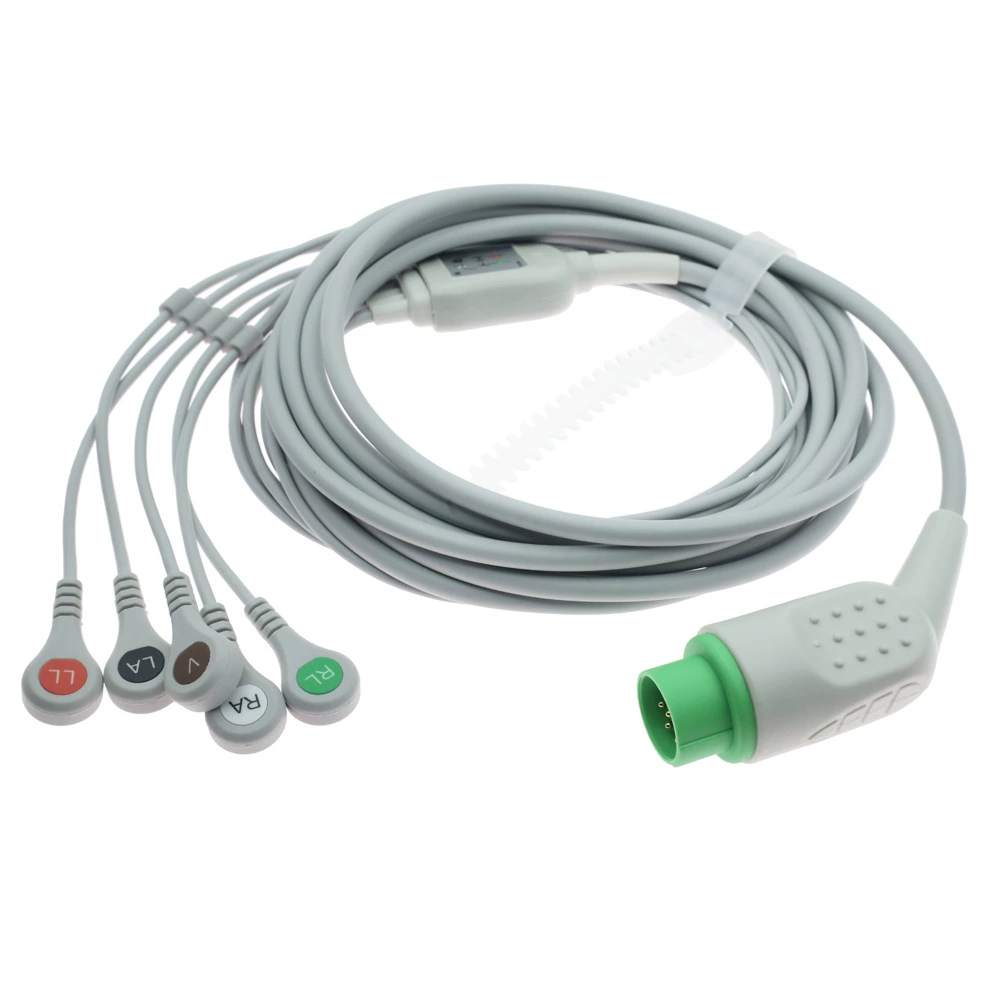
Understanding Healthcare Devices Companies and Their Role
Healthcare devices companies design, manufacture, and supply medical equipment used in hospitals, clinics, laboratories, and long-term care facilities. Their products range from diagnostic imaging systems and patient monitors to sterilization equipment and surgical instruments. A company’s role is not only to deliver hardware—it must ensure that every device meets safety standards, performs reliably, and can be serviced over its lifespan.
For buyers, the first step is to understand whether a company operates as a full-scale manufacturer with in-house R&D and production, or acts primarily as a distributor or integrator. This distinction shapes after-sales support, spare parts availability, and the company’s ability to handle customization requests. According to medical device industry quality references, the relationship between design control, production, and post-market surveillance is foundational to device safety and effectiveness.
What Buyers Should Check in a Manufacturer’s Product Portfolio
A healthcare devices company’s product portfolio is more than a list of equipment. It signals technical focus, manufacturing maturity, and the range of clinical applications the company can support. Buyers should examine:
- Portfolio breadth: does the company offer a full range of related devices, or only a few models?
- Product maturity: how long have their core products been on the market, and what is the update cycle?
- Clinical alignment: does the portfolio match the buyer’s actual department needs—emergency, surgery, ICU, laboratory, or home care?
- Accessories and consumables: are compatible disposables, probes, or software updates readily available?
A narrow portfolio may indicate a newer or less proven manufacturer, while an overly broad one could signal diluted quality focus. The ideal portfolio shows steady growth in a few well-defined areas backed by documented quality records.
Quality Management Systems and Regulatory Awareness
Healthcare devices companies must operate under a recognized quality management system (QMS). The most widely accepted standard is ISO 13485, which specifies requirements for a QMS that consistently demonstrates the ability to provide medical devices and related services that meet customer and regulatory requirements. Buyers should verify that the manufacturer holds an up-to-date certificate from a reputable certification body. In the United States, manufacturers of devices sold in the U.S. market must also comply with FDA Quality System Regulation (21 CFR Part 820).
Regulatory awareness goes beyond holding certificates. The company should demonstrate knowledge of market-specific requirements: EU Medical Device Regulation (MDR), Health Canada licensing, or specific pharmacopoeia standards for laboratory equipment. A strong QA/RA team indicates that the company can manage documentation, design history files, and post-market surveillance—all critical for procurement teams working in regulated environments.
| Quality Area | What to Check | Why It Matters |
|---|---|---|
| QMS Certificate | ISO 13485, FDA registration, MDSAP participation | Foundation for product safety and consistency |
| Device Classification | Does the company handle the class of device you need? | Higher classes require more rigorous controls |
| Audit History | Recent notified body or FDA inspections | Reveals compliance track record |
| Post-Market Surveillance | Vigilance reporting processes | Protects users and facilities after purchase |
Production Capability and Manufacturing Capacity
A healthcare devices company must be able to produce enough units to meet demand without compromising quality. Production capability includes factory footprint, equipment technology, and workforce skill. Buyers should assess:
- Manufacturing facility size and layout
- Automation level versus manual assembly lines
- Component sourcing: in-house fabrication vs. third-party parts
- Scalability: can they handle a large order without delays?
Capacity is not just about volume; it also covers the ability to handle complex assemblies, cleanroom production if needed, and electronics integration. For long-term contracts, a supplier with modest capacity but consistent output may be more reliable than a high-volume factory that bumps orders frequently.
Customization Ability: When It Matters and What to Ask
Customization becomes important when standardized equipment does not fit a facility’s workflow, software interface needs, or patient population. Healthcare devices companies vary greatly in how far they can adapt a product. Some offer simple label or packaging changes, while others can modify firmware, materials, or physical dimensions. Buyers should ask:
- What customizations have you completed for similar buyers in the past?
- Does customization require a new regulatory submission?
- How is the testing and validation documented for modified devices?
- Is there an additional cost, and does it affect lead time?
True customization ability is backed by an engineering department that understands the regulatory implications of design changes. Without this, a modified device may lose its market clearance or become unsafe.
Testing Workflow and Quality Control Steps
A robust testing workflow is a direct indicator of how seriously a healthcare devices company treats product quality. Testing should cover raw materials, in-process checks, finished device testing, and lot release verification. Common steps include:
- Incoming material inspection against specifications
- In-process QC at critical assembly points
- Functional testing and safety checks (electrical, mechanical, software)
- Sampling and batch testing per ISO 2859 or equivalent
- Sterilization validation where applicable
- Packaging and labeling integrity checks
Buyers should ask to see a typical QC test sheet or finished device record. A transparent company will share these without hesitation. Missing documentation is a red flag. According to established biomedical engineering references, a device’s quality is the result of a controlled manufacturing process, not just a final inspection.
Export Support and International Compliance
When a healthcare facility or distributor buys from an overseas healthcare devices company, export support becomes mission-critical. Competent exporters provide:
- Correct shipping marks, packaging designed for international transit
- Certificates of origin, free sale certificates, and commercial invoices
- Knowledge of import regulations in the destination country
- Support with local approval processes (e.g., U.S. FDA 510(k) clearance, CE marking technical files)
- Warranty and service coverage that extends across borders
Without experienced export teams, buyers may face customs delays, damaged equipment, or devices that cannot be legally used upon arrival. Always confirm that the manufacturer has successfully exported to your region before.
Comparing Healthcare Devices Companies: A Decision Checklist
When comparing potential suppliers, use a structured checklist to avoid emotional bias. Below is an evaluation framework that procurement teams can adapt.
| Evaluation Factor | Questions to Ask | Evidence to Request |
|---|---|---|
| Product Portfolio Fit | Do their devices match your intended use? | Product datasheets, clinical application notes |
| Quality Certifications | Can they show current ISO 13485 and FDA registration? | Copies of certificates, FDA listing numbers |
| Production Capability | What is their max output and lead time? | Factory tour, capacity statement |
| Customization History | Have they modified devices for others? | Case examples, design change records |
| Testing Protocols | What QC tests are done per batch? | Sample QC sheets, test reports |
| Export Experience | Have they shipped to your region? | List of export markets, references |
| After-Sales Support | How is warranty and service handled abroad? | Service agreement template, local partner info |
Common Mistakes When Evaluating Healthcare Devices Companies
- Focusing on price alone. The lowest unit price often hides poor QC, weak service, or future regulatory risk.
- Assuming all certificates are equal. Verify the certification body is accredited and the scope matches your device class.
- Ignoring production consistency. A single well-made sample does not guarantee that serial production will match.
- Overlooking lead time reality. Customization or export paperwork can add months. Plan accordingly.
- Not testing the communication channel. Responsiveness and clarity during sourcing often reflect post-sale support quality.
- Forgetting local regulatory requirements. A CE mark alone does not grant access to every market.
Final Takeaway
Healthcare devices companies are more than equipment suppliers; they are partners in patient safety and operational reliability. A thorough evaluation should examine product portfolio depth, quality system rigor, manufacturing capability, customization support, testing workflow, and export competence. No single factor decides the right fit. Instead, buyers should weigh all six areas together, using documentation and real performance evidence rather than sales claims. When sourcing decisions treat quality and compliance as mandatory filters—not optional extras—facilities avoid costly recalls, regulatory violations, and equipment downtime. The best healthcare devices companies welcome this scrutiny because they have invested in the systems to back it up.
For system-level planning, our Medical Equipment Export Solution page can help buyers connect equipment selection with real hospital or laboratory workflows. Related equipment pages include Biomedical Equipment Product Catalog and Laboratory Equipment Accessories.