
How an Automatic Bacterial Suspension Inoculation and AST Reading System Improves Microbiology Workflow
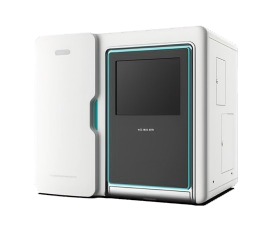
This guide explains how such systems work, which workflow improvements matter most for high-volume labs, and what lab managers and procurement teams should evaluate before choosing an automated solution.
What Is an Automatic Bacterial Suspension Inoculation System?
An automatic bacterial suspension inoculation system prepares standardized bacterial suspensions directly from isolated colonies and inoculates broth microdilution or disk diffusion panels with minimal hands-on time. Instead of a technologist manually adjusting turbidity and pipetting, the system uses a photometric sensor to achieve a precise McFarland standard, then seeds each panel well or disk plate according to the test protocol.
The process typically includes:
- Automated colony picking or touch preparation
- Real-time turbidity measurement against a target McFarland value
- Dilution and suspension homogenization
- Inoculation of MIC plates, breakpoint panels, or disk diffusion media
By removing manual variability, these systems ensure that susceptibility results reflect the organism’s true profile rather than inconsistencies in inoculum preparation.
How Does It Improve Microbiology Workflow?
Manual inoculum preparation and panel seeding are repetitive, time-consuming tasks that can bottleneck turnaround times during high-demand periods. An automatic bacterial suspension inoculation system improves workflow in several measurable ways:
- Throughput gains: Systems can process dozens of samples per hour, freeing technologists to focus on result review and complex isolates.
- Faster pre-analytical steps: Suspension adjustment and inoculation that might take several minutes manually can be completed in under a minute per sample.
- Reduced repeat testing: Standardized inoculum density lowers the rate of invalid susceptibility results caused by over- or under-inoculation.
- Simplified shift handovers: Automated protocols reduce variability between operators, making results more consistent across different shifts.
When integrated with automated AST reading, the entire susceptibly testing cycle—from colony to reportable MIC or zone diameter—becomes a continuous, documented process.
How Does Automated AST Reading Work with Inoculation Automation?
Automated AST reading systems interpret growth or inhibition after incubation and convert the patterns into MIC values or zone diameter measurements. When combined with the inoculation unit, the lab gains end-to-end traceability. The reader can often:
- Scan barcoded panels that were inoculated by the automated system
- Apply advanced imaging or photometric algorithms to assess growth
- Cross-check inoculum quality or detect mixed cultures during reading
- Transfer results directly to the LIS, linking the final susceptibility to the original suspension preparation data
This integration closes the loop, ensuring that a result reported as “Resistant” or “Susceptible” is backed by documented inoculum quality and panel inoculation records.
Key Benefits for Clinical Microbiology Labs
Implementing an integrated system yields benefits beyond simple automation.
| Aspect | Manual Workflow | Automated System |
|---|---|---|
| Inoculum Standardization | Operator-dependent McFarland adjustment; risk of variation | Photometric feedback loop ensures precise turbidity every time |
| Inoculation Consistency | Pipetting differences may lead to uneven well filling or disk placement | Uniform panel delivery, reducing artifacts |
| Traceability | Manual logs; potential gaps between bench work and LIS entry | Digital record linking colony, suspension, panel, and result |
| Turnaround Time | Batch dependent; susceptible to peak-hour delays | Streamlined pre-analytical phase; quicker results during high demand |
| Contamination Risk | Additional tube transfers increase exposure | Closed or semi-closed liquid handling reduces environmental contact |
Sample Traceability and Data Integrity
Sample traceability is a growing concern for accreditation and quality management. An automatic bacterial suspension inoculation system typically generates a unique digital record for each sample, including:
- Isolate ID or accession number (via barcode or manual entry)
- Time-stamped turbidity measurements and final McFarland value
- Panel or plate barcode association
- Operator and instrument ID
When these records flow into the AST reading module and then to the LIS, the entire antimicrobial susceptibility testing chain becomes auditable. This level of detail supports regulatory compliance and helps labs demonstrate quality control to inspectors.
What to Evaluate Before Choosing a System
Lab managers and procurement teams should assess more than just specifications. The following criteria help match the system to actual lab needs:
Throughput and Scalability
- Maximum number of isolates per run or per hour
- Compatibility with anticipated test volumes and peak seasons
- Ability to load multiple panel types without extended changeover time
Integration and Workflow Fit
- Compatibility with existing LIS and AST reading platforms
- Footprint and bench space requirements in the microbiology lab
- Bidirectional interface with laboratory automation tracks or middleware
Quality Assurance Features
- Real-time turbidity feedback and failure alerts
- In-run quality controls for suspension and inoculation
- Software audit trails for regulatory documentation
Operational Factors
- Ease of daily cleaning and maintenance
- Training requirements for bench technologists
- Vendor support and response times for troubleshooting
Common Implementation Mistakes to Avoid
Even a well-chosen system can underperform if implementation details are overlooked. Common pitfalls include:
- Underestimating validation needs: Labs must verify that the automated suspension method matches reference standards for their organism population. Rushing validation can lead to discrepant results.
- Ignoring workflow redesign: Simply placing the instrument in a corner without optimizing pre- and post-automation steps may limit throughput gains.
- Inadequate LIS integration: Manual re-entry of results defeats the purpose of automation. Ensure a robust, HL7-compliant interface is in place.
- Skimping on staff training: Technologists accustomed to manual methods need time to trust and troubleshoot the system, not just operate it.
- Overlooking maintenance schedules: Regular cleaning of fluidics and sensors is essential to prevent drift in turbidity calibration.
Final Takeaway
An automatic bacterial suspension inoculation system combined with automated AST reading can transform a clinical microbiology lab’s productivity and data quality. By removing manual variation from the two most technique-sensitive steps—suspension preparation and panel inoculation—the system reduces repeat tests, shortens turnaround times, and creates a verifiable chain of custody from colony to result.
However, success depends on matching the system’s capabilities to the lab’s true workload, building a solid LIS interface, and investing in thorough validation and training. For labs with steady or growing susceptibility testing volumes, the move toward inoculum automation represents a logical step in modernizing microbiology workflow.
For system-level planning, our Laboratory Equipment Solution page can help buyers connect equipment selection with real hospital or laboratory workflows. Related equipment pages include Fully Automatic Bacterial Suspension Inoculation and Antimicrobial Susceptibility Interpretation System and Automatic Bacterial Suspension Inoculation and Dispensing Instrument.