
Automated Sample Dilution for Food, Pharmaceutical and Cosmetic Microbiology Testing
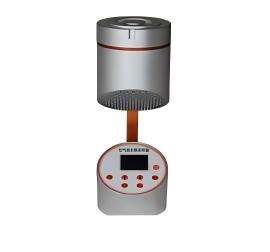
Microbiology testing across food, pharmaceutical, and cosmetic industries depends on accurate preparation of test samples. Manual dilution, while commonly used, introduces variables that can affect result consistency, traceability, and contamination control. An automated sample diluter addresses these challenges by standardizing the dilution process, reducing human error, and supporting reproducible workflows in regulated environments. This article explains how automated sample dilution works, how it fits into testing workflows, what benefits it brings to contamination control and accuracy, and what points to evaluate before integrating a diluter into your laboratory operations.
What Is an Automated Sample Diluter and How Does It Work?
A sample diluter is a laboratory instrument designed to prepare precise liquid dilutions of a sample, typically for downstream analysis such as microbial enumeration, pathogen detection, or chemical testing. Automated models combine mechanical liquid handling with software control to aspirate exact volumes of sample and diluent, mix them, and dispense the final dilution into tubes, plates, or containers. Unlike manual pipetting, the process is repeatable, traceable, and reduces the risk of cross-contamination between samples.
Most systems operate by peristaltic pump or syringe-based dispensing. A typical cycle involves:
- Dispensing a programmed volume of sterile diluent into a receiver vessel.
- Aspirating the required sample volume from the original container or homogenized bag.
- Mixing the sample and diluent, either by the instrument’s mixing mechanism or externally.
- Optionally repeating the dilution series for multiple decimal dilutions.
The instrument may also integrate with a balance to record gravimetric data, providing an audit trail that satisfies regulatory requirements in pharmaceutical and food safety laboratories.
Manual vs. Automated Sample Dilution: A Practical Comparison
Laboratories still relying on manual pipetting for routine dilution series face challenges in throughput, repeatability, and operator fatigue. The table below summarizes key differences between manual and automated approaches.
| Factor | Manual Dilution | Automated Sample Diluter |
|---|---|---|
| Accuracy | Highly operator-dependent; variable between technicians | Programmable, repeatable dispensing with low CV (coefficient of variation) |
| Throughput | Limited by manual speed; higher risk of error with long series | Can handle multiple samples/dilutions quickly; consistent cycle time |
| Contamination Risk | Higher risk from pipette tips, aerosols, and improper technique | Closed fluid path or disposable components reduce cross-contamination |
| Traceability | Logbooks; manual recording | Digital records, barcode scanning, and optional LIMS integration |
| Ergonomics | Repetitive strain risk for high-volume work | Reduced operator fatigue; walk-away operation possible |
| Validation & Compliance | Harder to validate due to person-to-person variation | Simplified validation with documented calibration and performance checks |
While manual dilution remains acceptable for low-throughput or non-routine testing, automated sample diluters become a practical necessity when laboratories face growing sample loads, require strict adherence to standard methods (e.g., USP, ISO, FDA BAM), or need to minimize human-borne contamination.
Where Automated Sample Dilution Fits in Food, Pharmaceutical and Cosmetic Testing Workflows
Automated sample dilution is not a standalone process; it is integrated into the broader microbiological testing workflow. Understanding where the dilution step falls helps assess whether a sample diluter will benefit your operations.
Food Microbiology Testing
In food safety laboratories, samples undergo initial homogenization (e.g., in a stomacher with diluent), then require serial decimal dilutions for enumeration of aerobic plate count, Enterobacteriaceae, or target pathogens. A sample diluter directly aspirates from the homogenized bag or container, prepares the dilutions into sterile tubes or onto plates, reducing the manual steps that could lead to contamination or dilution errors. According to the FDA Bacteriological Analytical Manual (BAM), proper dilution technique is critical for accurate colony counts.
Pharmaceutical Microbiology Testing
Pharmaceutical products must comply with pharmacopeial standards such as USP <61> and <62>. Automated dilution supports preparation of product suspensions for microbial limits testing, preservative efficacy testing, and water analysis. The gravimetric control often built into sample diluters aligns with USP requirements for weighing and dilution accuracy. Furthermore, the traceability features assist with data integrity regulations under 21 CFR Part 11.
Cosmetic Microbiology Testing
Cosmetic products, ranging from creams to powders, must be tested for microbial limits and specified pathogens as per ISO 21148 and related standards. Automated sample diluters help standardize the challenging dilution of viscous or non-homogeneous cosmetic matrices, improving reproducibility across batches. They also minimize cross-contamination when testing multiple products in the same laboratory.
How Automated Sample Dilution Improves Contamination Control
Contamination is a perennial concern in microbiology laboratories. Automated sample diluters contribute to contamination control through design and operational factors:
- Closed or semi-closed fluid paths: Tubing and dispensing systems reduce exposure to the environment, limiting airborne contamination.
- Single-use options: Some systems use disposable syringes or tips, eliminating cross-contamination between samples without the need for cleaning validation.
- Programmable cleaning cycles: For systems with reusable fluidics, automated rinse protocols ensure line cleanliness between runs.
- Reduced manual handling: Fewer pipette tips and manual manipulations mean fewer opportunities for human-borne flora to enter the sample stream.
When integrated with a laminar flow hood or biosafety cabinet, the sample diluter can further maintain the sterile chain crucial for low-level microbial testing.
Ensuring Dilution Accuracy and Traceability
Accuracy in dilution is not only about the correct volume ratio but also about consistent delivery across all steps. A sample diluter typically offers:
- Precision pumps: Syringe or peristaltic pumps calibrated to deliver volumes within ±1% or better under defined conditions.
- Gravimetric verification: Integrated balances allow real-time weight recording of each dispensing step, providing an immutable record.
- Calibration routines: The instrument can prompt periodic calibration checks using standardized weights, ensuring ongoing performance within specifications.
- Data output: Dilution records can be exported to a laboratory information management system (LIMS) or printed, supporting audit trails required by ISO/IEC 17025 and regulatory bodies.
Traceability is a key advantage over manual logs, which are susceptible to transcription errors and omissions.
Key Points to Evaluate When Considering a Sample Diluter
Selecting the right sample diluter for your laboratory requires a clear understanding of your testing volumes, sample types, and compliance needs. The following checklist can guide your evaluation.
- Sample matrix compatibility: Does the instrument handle viscous, particulate-laden, or foaming samples typical of your industry?
- Throughput requirements: How many samples and dilutions per day? Will the cycle times match your workflow?
- Dilution range and flexibility: Can it prepare both decimal and non-standard dilutions? Is it programmable for different volumes?
- Validation support: Does the manufacturer provide IQ/OQ documentation and performance qualification guidelines?
- Contamination control features: Options for single-use fluidics, automatic rinsing, or closed systems.
- Data management: Can it integrate with your LIMS or generate 21 CFR Part 11-compliant electronic records?
- Footprint and workspace integration: Will it fit in your current lab layout, including potential placement in a biosafety cabinet?
- Service and support: Availability of preventative maintenance, calibration services, and application support.
A well-chosen sample diluter should align with the specific standard methods your laboratory follows. For instance, a food microbiology lab accredited to ISO 17025 must validate the dilution procedure as part of its scope; engaging the instrument vendor early can simplify method validation.
Common Mistakes When Adopting Automated Dilution
Even with automation, some pitfalls can undermine the benefits. Be aware of these common issues:
- Assuming “automated” means “no verification needed.” Routine calibration and periodic performance checks remain essential.
- Ignoring sample preparation. The diluter cannot compensate for poorly homogenized samples; proper initial mixing is still required.
- Overlooking consumable compatibility. Tubing, tips, or syringes must be chemically compatible with the diluent and sample.
- Underestimating training needs. Operators must understand the instrument’s software, maintenance, and error recovery procedures.
- Failing to align with regulatory requirements. Even automated systems must be validated within your specific laboratory context; don’t rely solely on the vendor’s general protocol.
Final Takeaway
An automated sample diluter brings consistency, traceability, and efficiency to microbiology testing in food, pharmaceutical, and cosmetic laboratories. By replacing manual pipetting steps with programmable, precise liquid handling, it reduces human error and supports compliance with stringent industry standards. While the initial investment requires careful evaluation—considering sample types, throughput, and regulatory needs—the long-term benefits in data quality and operator safety often justify the integration. Laboratories seeking to strengthen their quality systems and manage growing sample loads will find that a sample diluter is a strategic addition, not simply a convenience.
For system-level planning, our Laboratory Equipment Solution page can help buyers connect equipment selection with real hospital or laboratory workflows. Related equipment pages include Biomedical Equipment Product Catalog and Sample Dilution Instrument.