
Medical Device Industry: Market Structure, Equipment Categories and Buyer Requirements
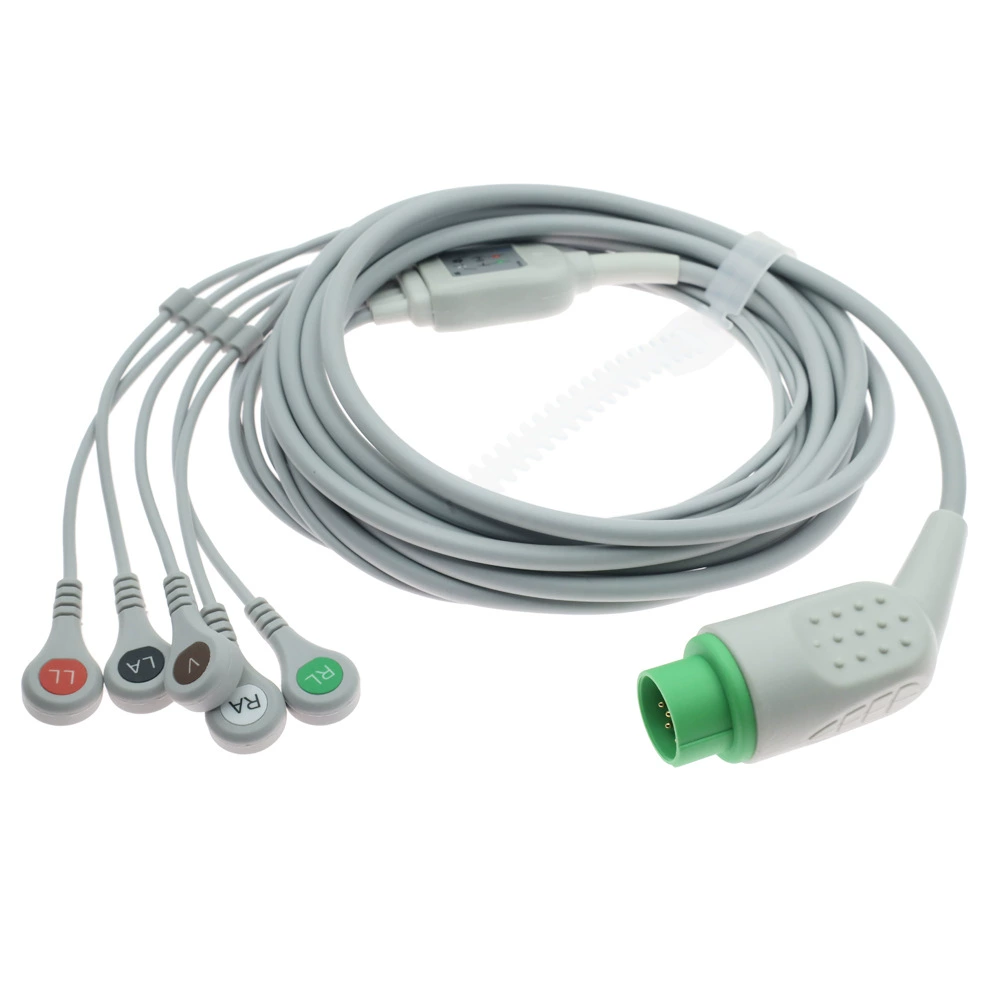
What Is the Medical Device Industry?
The medical device industry encompasses manufacturers, suppliers, regulatory bodies, and end‑users of instruments, apparatus, machines, implants, in vitro reagents, software, and other articles intended for medical purposes. Unlike pharmaceuticals, devices achieve their primary action by physical or mechanical means, not by chemical interaction within the body.
The industry is heavily regulated because device safety and performance directly affect patient outcomes. Key global frameworks include the U.S. Food and Drug Administration (FDA) regulations, the European Medical Device Regulation (EU MDR), and standards issued by the International Medical Device Regulators Forum (IMDRF). A working knowledge of these structures helps buyers make informed, compliant procurement decisions.
Medical Device Classification Systems
Risk‑based classification is the foundation of medical device regulation. The higher the potential risk, the stricter the controls. While regional nuances exist, the following table summarizes the most influential classification schemes.
| Regulatory System | Low Risk (Class I) | Moderate Risk (Class II / IIa) | High Risk (Class III / IIb / III) |
|---|---|---|---|
| FDA (USA) | General controls; most exempt from premarket notification | 510(k) clearance often required; special controls | Premarket approval (PMA); clinical data required |
| EU MDR | Self‑declaration; low‑risk non‑invasive devices | Notified body review for Class IIa and some IIb | Full quality system audit and clinical evaluation for Class III and implantable IIb |
| Therapeutic Goods Administration (Australia) | Self‑assessment; low potential for harm | Conformity assessment certificate needed | Rigorous premarket evaluation and ongoing surveillance |
This is a simplified overview. Actual classification depends on device intended use, duration of contact, invasiveness, and other factors. Buyers should verify the exact class of any device they plan to purchase with the manufacturer and local regulatory authority.
Common Medical Equipment Categories
The medical device industry spans thousands of product types. For procurement planning, it helps to group devices into familiar clusters:
- Diagnostic Imaging: X‑ray, ultrasound, MRI, CT scanners – used to visualize internal structures.
- Patient Monitoring: Vital signs monitors, pulse oximeters, ECG machines – for continuous or spot‑check observation.
- Surgical Instruments: Reusable and single‑use tools, endoscopes, electrosurgical units – used in operating rooms.
- In Vitro Diagnostics (IVDs): Analyzers, reagents, test kits – for laboratory analysis of samples.
- Implants and Prosthetics: Orthopedic implants, pacemakers, artificial joints – devices that remain in the body.
- Consumables and Disposables: Gloves, syringes, catheters, wound dressings – single‑use items.
- Sterilization Equipment: Autoclaves, low‑temperature sterilizers – for infection control.
- Medical Furniture: Hospital beds, examination tables, stretchers – used in patient care areas.
Each category carries its own regulatory, maintenance, and training requirements, which should be mapped during the buyer’s selection process.
Buyer Evaluation Criteria for Medical Devices
Procurement teams should compare devices against a consistent set of criteria, not just price. The following checklist supports an evidence‑based decision.
- Clinical Need: Does the device address a defined diagnostic or therapeutic requirement?
- Performance Specifications: Accuracy, resolution, throughput, or other measurable outputs.
- Safety Standards: Certification to applicable ISO/IEC standards, laser or radiation safety, electromagnetic compatibility.
- Interoperability: Compatibility with existing IT networks, electronic health records, and other devices.
- Intended Use Environment: Home care, clinic, hospital, or field use – the device must match the setting.
- Total Cost of Ownership: Purchase price plus consumables, service contracts, spare parts, and decommissioning.
- Supplier Stability: Long‑term availability of support, financial health of the manufacturer, and local representation.
- Training Requirements: Initial and ongoing training for clinical and technical staff.
By weighing these factors, buyers reduce the risk of acquiring equipment that underperforms or becomes unsupported shortly after installation.
Quality Documentation and Regulatory Compliance
Every medical device placed on the market must be backed by a set of quality and regulatory documents. Buyers should request and review current, valid certificates before purchase.
Key documents include:
- ISO 13485 Certificate: Demonstrates a quality management system specific to medical devices.
- CE Marking Declaration (EU): Indicates conformity with EU MDR requirements, supported by a notified body certificate if applicable.
- FDA Clearance or Approval (USA): 510(k) premarket notification letter or PMA order, as appropriate.
- Technical File / Design Dossier: Contains device specifications, risk analysis, clinical evaluation, and test reports.
- Clinical Evaluation Report (CER): Summary of clinical evidence demonstrating safety and performance.
- Declaration of Conformity: Manufacturer’s signed statement that the device meets all applicable requirements.
According to WHO guidance on medical device procurement, verifying documentation during the tender or evaluation phase is one of the most effective ways to avoid non‑compliant or substandard devices. A reputable supplier will provide this material without hesitation.
Lifecycle Support and Post‑Purchase Considerations
Purchasing a medical device is only the first step. Long‑term success depends on the support ecosystem around it.
Considerations for lifecycle support:
- Warranty and Service Contracts: Clearly defined coverage periods, response times, and preventive maintenance terms.
- Spare Parts Availability: Guaranteed supply for the expected operational life of the device.
- Software Updates and Cybersecurity: Regular patches, upgrade paths, and data protection measures.
- Calibration and Preventive Maintenance: Scheduled procedures to keep the device within specifications.
- Technical Support: Accessible help desk, on‑site engineering, and remote diagnostics.
- Training: Ongoing user education, not just a one‑time session at installation.
- End‑of‑Life Management: Disposal, recycling, or trade‑in options in line with environmental and data‑security regulations.
According to recognized biomedical engineering best practices, planning for the entire lifecycle during procurement reduces unplanned downtime and extends the useful life of medical equipment.
Common Mistakes When Sourcing Medical Devices
Even experienced buyers can encounter pitfalls. Knowing the most frequent errors helps steer a safer course.
- Focusing Only on Purchase Price: Ignoring consumables, service, and longevity leads to higher total costs.
- Overlooking Local Regulatory Requirements: A device legal in one market may not be authorized in another.
- Skipping Infrastructure Readiness Checks: Some devices need dedicated power, plumbing, or structural reinforcement.
- Assuming All Suppliers Provide Equal After‑Sales Support: Service network, spare parts logistics, and technical competence vary widely.
- Neglecting Interoperability Testing: Devices that cannot communicate with existing systems create clinical workflow disruptions.
- Accepting Outdated Documentation: Certificates and approvals must be current; expired documents are a red flag.
By avoiding these mistakes, procurement teams can build a more resilient medical device fleet.
Final Takeaway
The medical device industry is complex, but a structured evaluation approach helps buyers cut through the noise. Understand how devices are classified by risk, verify regulatory and quality documentation, compare total cost of ownership, and plan for lifecycle support. A device is not just a product; it is a long‑term clinical asset. Making informed, compliance‑aware choices improves patient safety and operational efficiency in any healthcare setting.
For system-level planning, our Medical Equipment Export Solution page can help buyers connect equipment selection with real hospital or laboratory workflows. Related equipment pages include Biomedical Equipment Product Catalog and HD-F3 Three-Place Microbial Membrane Filtration Device.