
Medical Supplies: Categories, Quality Checks and Stock Planning Guide
Understanding Medical Supplies Categories
Medical supplies include disposable items, consumables, diagnostic tools, patient-care accessories, and reusable instruments. A clear category structure makes stock planning and quality control easier. The table below shows broad categories and what to consider when assessing them.
| Category | Examples | Primary Use | Key Quality Considerations |
|---|---|---|---|
| Consumables & Disposables | Gloves, syringes, bandages, gauze, tubes | Single-use patient care, infection prevention | Sterility, material safety, expiration dating |
| Diagnostic Supplies | Test strips, reagents, specimen containers, rapid test kits | Point-of-care testing, lab analysis | Sensitivity, specificity, storage conditions |
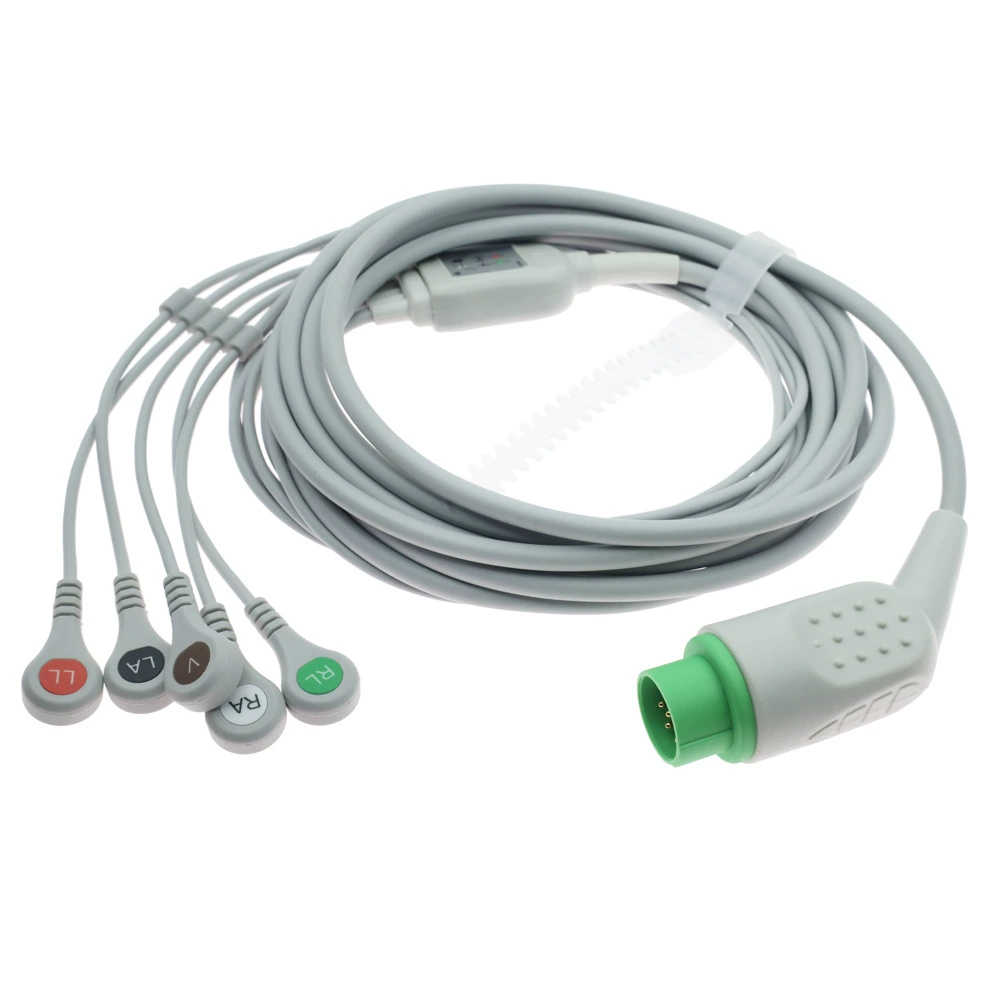
| Patient Monitoring Accessories | Cuffs, electrodes, sensors, cables | Vital sign monitoring, continuous observation | Compatibility, accuracy, durability |
| Wound Care Supplies | Dressings, tapes, wound cleansers, hydrocolloids | Acute and chronic wound management | Absorbency, adhesion, sterility |
| Personal Protective Equipment (PPE) | Masks, gowns, face shields, respirators | Infection control, staff safety | Filtration efficiency, fit, barrier level |
| Surgical Supplies & Instruments | Scalpels, forceps, retractors, suction tubing | Operating room procedures | Sterility, material grade, precision |
| Infusion & IV Supplies | Catheters, IV sets, infusion pumps accessories | Medication and fluid administration | Flow accuracy, biocompatibility |
| Laboratory Supplies | Pipettes, slides, culture media, tubes | Sample collection, analysis | Calibration, contamination risk |
Common Use Cases for Medical Supplies
Medical supplies support clinical, diagnostic, and administrative workflows. Understanding how they are used helps teams prioritize quality and stock levels.
- Inpatient wards: High volumes of disposables, IV sets, and patient hygiene supplies.
- Operating theaters: Sterile surgical packs, drapes, sutures, and specialized instruments.
- Emergency departments: Rapid-test kits, bandages, splints, and airway management supplies.
- Laboratories: Reagents, collection devices, pipette tips, and quality-control materials.
- Outpatient clinics: Examination gloves, diagnostic strips, wound dressings, and vaccination supplies.
- Home healthcare: Durable medical equipment (DME) accessories, portable diagnostic tools, and self-use consumables.
The same category of supply can perform differently across settings, so selection should always start from the specific clinical task and environment.
Selection Criteria: What to Compare Before Purchasing Medical Supplies
Choosing medical supplies involves more than comparing prices. A systematic checklist helps avoid safety gaps and inventory waste.
| Criterion | What to Look For |
|---|---|
| Clinical Requirement | Does the supply match the intended procedure and patient population? |
| Regulatory Status | Is the item cleared or registered with the relevant health authority (e.g., FDA, CE marking)? |
| Material Safety | Are materials latex‑free, hypoallergenic, and free from harmful substances? |
| Sterility Level | Is terminal sterilization validated for the intended use? |
| Shelf Life & Storage | What are the expiry dates and environmental storage requirements? |
| Compatibility | Does it work with existing devices, connectors, or monitoring systems? |
| Packaging & Unit Size | Does the packaging minimize waste and suit inventory rotation? |
| Supplier Quality System | Does the manufacturer follow ISO 13485 or equivalent quality management? |
According to the Handbook of Medical Equipment Management (5th Edition, Chapter 8), a structured selection process reduces risk and improves supply reliability.
Technical Documentation and Compliance
Procurement teams should collect and store key documentation for every medical supply type. These records support compliance audits, recall management, and staff training.
- Certificate of Conformity / Compliance: Confirms the product meets relevant standards or regulatory requirements.
- Instructions for Use (IFU): Covers storage, handling, application, and disposal.
- Material Safety Data Sheet (MSDS): Required for chemical-containing supplies.
- Sterilization Validation Report: Proves the sterility assurance level (SAL) for single-use sterile products.
- Shelf‑Life Study Data: Backs up the stated expiration date.
- Biocompatibility Test Reports: Especially important for supplies that contact skin, mucosa, or blood.
- Packaging Integrity Test Records: Verifies sterile barrier performance.
Maintaining a digital library of these documents helps facilities respond quickly to inspections and safety inquiries.
Quality‑Control Checkpoints
Even when suppliers provide documentation, in‑house quality checks catch problems before supplies reach patients. Use this checklist as a starting point.
- Visual inspection: Check for damaged packaging, moisture, discoloration, or contamination.
- Labeling accuracy: Verify product name, lot number, expiration date, and manufacturer details.
- Quantity verification: Confirm counted amounts against the packing slip.
- Sterility indicator check: For sterile items, ensure internal and external indicators are present and unchanged.
- Temperature monitoring: If cold‑chain items, review temperature logger data for deviations.
- Function test (if applicable): For reusable instruments or mechanical components, perform a quick operational check.
- Random sterility sampling (for critical supplies): Send samples to the lab according to facility risk protocols.
- Documentation review: Match received certificates against purchase specifications.
Stock Planning and Inventory Management
Medical supplies stock planning balances availability, cost, and wastage. A data‑driven approach can prevent both shortages and overstock.
- ABC analysis: Classify supplies by value and consumption rate. A‑items (high value, low volume) need tight control; C‑items (low value, high volume) can rely on simpler reorder points.
- Demand forecasting: Use historical usage data adjusted for seasonal patterns, planned procedures, and outbreak risks.
- Minimum stock levels: Set reorder points that account for average daily usage and lead time.
- Shelf‑life tracking: Implement first‑expiry‑first‑out (FEFO) rotation and separate near‑expiry stock for priority use.
- Centralized vs. decentralized storage: Decide whether to hold supplies in one warehouse or distribute to departments to reduce transit delays.
- Emergency buffer: Maintain a strategic reserve of critical items for supply chain disruptions.
Facilities that integrate inventory management software with procurement workflows often see better accuracy and less manual labor.
Installation and Setup Considerations
Some medical supplies require proper installation or initial setup to function correctly. This applies especially to reusable instruments, equipment accessories, and monitoring consumables.
- Compatibility verification: Before first use, confirm that sensors, cables, or connectors match the host device model.
- Calibration needs: Certain supplies (e.g., pressure transducers, temperature probes) may need zeroing or calibration before clinical use.
- Staff training: Ensure end‑users understand correct handling, donning, or application procedures.
- Environmental requirements: Temperature‑ or humidity‑sensitive supplies must be placed in controlled areas.
- Disposal setup: Have designated waste streams for sharps, biohazard, or single‑use items ready before deployment.
A rollout checklist for new supply introductions reduces installation errors and improves first‑use safety.
Maintenance Considerations
Not all medical supplies are disposable. Reusable instruments, monitoring accessories, and DME components need routine care to stay reliable.
- Cleaning protocols: Follow manufacturer‑specified cleaning agents and methods to avoid material damage.
- Sterilization cycles: Validate that reprocessing (autoclave, ethylene oxide, etc.) does not degrade the item over repeated use.
- Inspection after reprocessing: Check for cracks, rust, dullness, or compromised joints.
- Periodic function testing: For electronic accessories, run basic safety and performance checks on a schedule.
- Record‑keeping: Log reprocessing dates, number of cycles, and any maintenance events.
- Retirement criteria: Define when an item should be withdrawn based on wear or performance drift.
Export Purchasing Guidance
When sourcing medical supplies across borders, additional layers of due diligence apply. The World Health Organization (WHO) and national regulatory authorities provide frameworks for international procurement.
- Regulatory registration in the importing country: Verify that the product is authorized for sale in the destination market.
- Certificate of Free Sale (CFS): Often required to prove the supply is legally marketed in the country of origin.
- Harmonized System (HS) code classification: Correct tariff codes prevent customs delays and penalties.
- Logistics validation: Confirm cold‑chain capability, transit time, and packaging for export‑grade handling.
- Language and labeling compliance: Ensure IFUs and labels meet the language and symbol requirements of the target region.
- Cultural and clinical practice differences: A supply common in one country may need adaptation or additional training elsewhere.
Engaging a local regulatory consultant or distributor can reduce the risk of non‑compliance when entering new markets.
Final Takeaway
Managing medical supplies is not just about procurement; it’s about patient safety, operational readiness, and cost control. By organizing supplies into clear categories, applying structured selection criteria, demanding proper technical documentation, running quality checks at receiving, and planning inventory around real usage data, healthcare teams can avoid many common pitfalls. Whether you’re equipping a single clinic or coordinating an international purchase, the principles remain the same: match the supply to the clinical need, verify quality before use, and keep the system agile enough to adapt when demand changes.
For system-level planning, our Biomedical Equipment Solutions page can help buyers connect equipment selection with real hospital or laboratory workflows. Related equipment pages include Laboratory Equipment Accessories and Stand-Up Sample Bag with Breathing Valve.