
Health Care Equipment: Selection Criteria, Documentation and Maintenance Planning
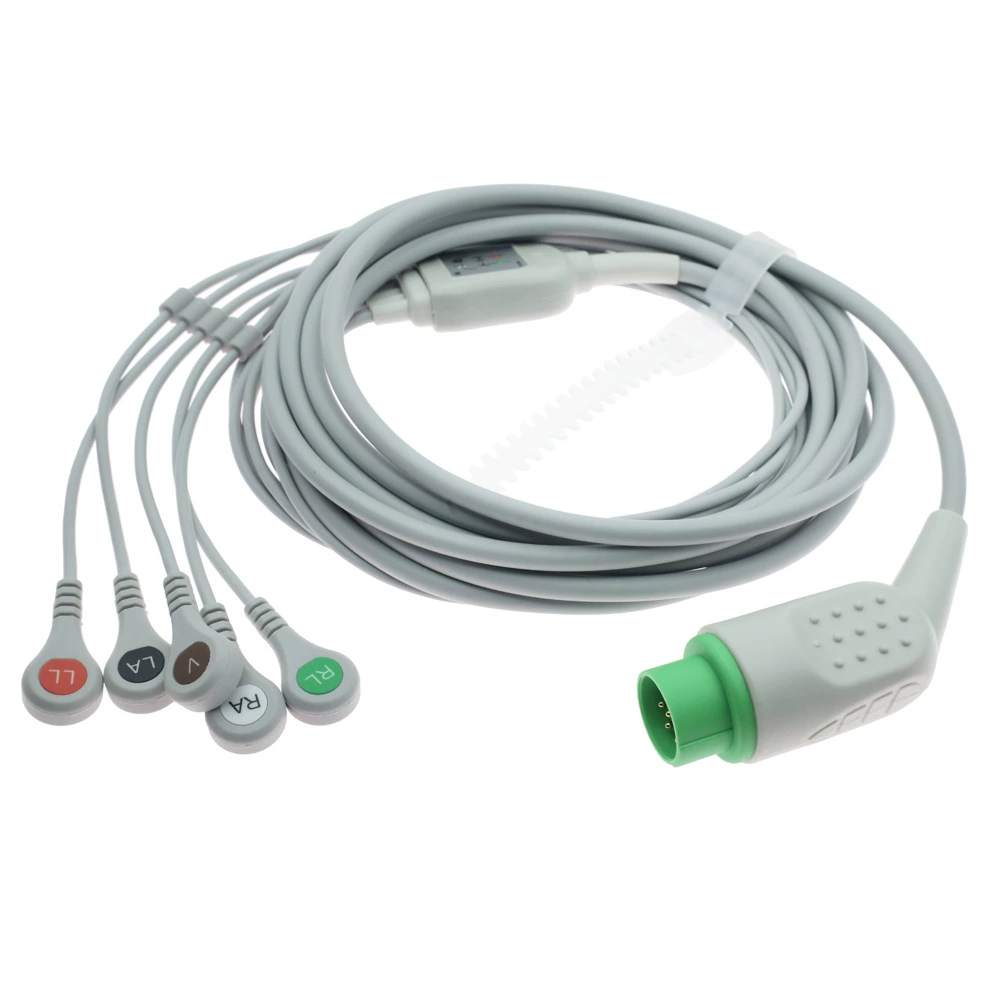
What Is Health Care Equipment?
Health care equipment is a broad category that includes any device, instrument, apparatus or machine used in the diagnosis, treatment, monitoring or rehabilitation of patients. It ranges from simple diagnostic tools (thermometers, blood pressure cuffs) to complex imaging systems (MRI, CT scanners), surgical robots, patient monitors, infusion pumps and laboratory analyzers. In facility planning, even hospital beds, examination tables and sterilization units fall under this umbrella.
Common use cases cover:
- Acute-care hospitals (operating rooms, intensive care units, emergency departments)
- Outpatient clinics and diagnostic centers
- Long-term care and rehabilitation facilities
- Clinical laboratories and pathology services
- Home health care settings (home medical equipment like oxygen concentrators, ventilators)
- Public health programs (screening, vaccination, maternal health)
The definition matters because regulatory classification, documentation requirements and maintenance planning all start from the intended use and risk profile of the equipment.
Key Selection Criteria for Health Care Equipment
Equipment selection should be driven by clinical need, not by feature lists or sales comparisons. A structured evaluation protects against buying equipment that is clinically unsuitable, incompatible with existing infrastructure, or too costly to maintain over its service life.
Core selection criteria include:
- Clinical appropriateness: Does the equipment reliably perform the required clinical function for the intended patient population?
- Performance specifications: Accuracy, range, throughput and reliability under expected workload.
- Safety features: Alarms, fail-safe modes, radiation protection, infection control design.
- Regulatory compliance: Does it hold necessary clearances or approvals (FDA 510(k), CE marking, ISO 13485 certification) for the intended market?
- Compatibility and interoperability: Can it integrate with existing hospital information systems, electronic medical records or laboratory information systems?
- Ergonomics and usability: Is the user interface clear? Can staff be trained efficiently? Human factors engineering directly impacts error rates.
- Total cost of ownership: Purchase price is only one component. Estimate consumables, service contracts, spare parts, calibration, energy consumption and expected lifespan.
- Vendor service support: Availability of technical support, training, warranty terms and local service infrastructure.
According to the World Health Organization’s Medical Device Technical Series, a comprehensive health technology assessment should include safety, performance, cost-effectiveness and local context before procurement decisions are made.
Technical Documentation Requirements
Proper documentation is not an administrative afterthought; it is a regulatory and safety necessity. For every piece of health care equipment, a technical file should be assembled and maintained throughout its operational life.
The table below outlines essential documentation types and their purposes:
| Document Type | Purpose | Typically Required for Compliance? |
|---|---|---|
| User manual | Instructions for safe operation, including warnings and contraindications | Yes (FDA, EU MDR) |
| Service/technical manual | Schematic diagrams, troubleshooting, preventive maintenance procedures | Yes for in-house service teams |
| Installation and commissioning report | Evidence that equipment was installed and tested according to manufacturer specifications | Yes |
| Acceptance test records | Verification that performance meets purchase specifications before clinical use | Yes |
| Certificate of calibration (if applicable) | Traceability to national or international standards | Often required |
| Regulatory certificates (FDA, CE, etc.) | Proof of market authorization for the country of use | Yes |
| Incident reporting log | Documentation of device-related adverse events or near misses | Required per local vigilance systems |
| Software version records (for software-controlled devices) | Traceability for cybersecurity and clinical safety | Increasingly required |
Maintaining an equipment history file that combines these documents with maintenance logs and repair histories is standard practice in accredited hospitals, as recommended by The Joint Commission and similar bodies.
Quality-Control and Verification Checkpoints
Before any device enters clinical service, a series of quality-control checkpoints must be completed. This is not a one-time activity; it is part of an ongoing quality system.
- Incoming inspection: Check for shipping damage, completeness of components, and conformance to order specifications. Verify that all regulatory labels and unique device identifiers (UDI) match the documentation.
- Safety testing: Perform electrical safety tests (e.g., ground continuity, leakage current) according to IEC 60601 or applicable standards. For devices with radiation sources, confirm shielding and output measurements.
- Performance verification: Use calibrated test equipment to verify that the device meets all performance parameters. This includes output accuracy, alarm functionality and software behavior under normal and stress conditions.
- User acceptance testing: Clinical end-users should participate in validating that the equipment works as expected in a simulated or actual clinical workflow before full rollout.
A documented acceptance protocol, signed by the responsible biomedical engineer and department lead, creates a clear accountability trail and is often an accreditation requirement.
Installation Planning and Infrastructure Needs
Even a well-chosen device can fail if the installation environment is not ready. Planning should begin early in the procurement cycle, involving facility management, IT, clinical engineering and infection control as needed.
Key infrastructure considerations:
- Space and layout: Adequate room for the device, patient access, operator movement and service access. Check door widths and floor loading for large imaging equipment.
- Utilities: Electrical power (voltage, phase, emergency backup), medical gas supply (oxygen, vacuum), water quality (for dialysis or lab equipment), and HVAC (cooling capacity, air changes).
- Environmental conditions: Temperature and humidity tolerance, vibration limits, electromagnetic interference.
- Network and data integration: Wired or wireless connectivity, firewall ports, hospital network security policies.
- Ancillary equipment: What additional accessories, consumables, or mounting hardware will be needed on day one?
- Decommissioning of old equipment: Safe removal, data wiping, and proper disposal or recycling.
A site readiness checklist, signed off by all stakeholders, should be completed before the delivery date. This simple step prevents costly delays and installation failures.
Maintenance Planning and Lifecycle Management
Health care equipment requires systematic maintenance to remain safe and effective. A preventive maintenance (PM) program should be based on manufacturer recommendations, risk assessments, and operational experience.
- Preventive maintenance schedule: Define intervals (daily, weekly, monthly, annual) for inspections, cleaning, lubrication, filter replacement, and performance checks.
- Calibration: For instruments that measure physical quantities (pressure, temperature, flow, clinical lab analyzers), periodic calibration ensures traceable accuracy. Calibration intervals depend on stability and criticality.
- Spare parts management: Identify critical spare parts and consumables, and maintain adequate stock or rapid ordering agreements.
- Service agreements: Decide on in-house maintenance capacity versus external service contracts. Train biomedical technicians accordingly.
- Software updates and cybersecurity: Medical devices with software must have a plan for security patches and version control, consistent with FDA guidance on postmarket cybersecurity.
- End-of-life planning: Establish criteria for replacement: excessive downtime, obsolete technology, inability to meet new clinical standards, or high repair costs.
According to the FDA’s Quality System Regulation (21 CFR Part 820), servicing is part of the overall quality system, and maintenance records must be kept to demonstrate continued suitability for use.
Considerations for International Procurement and Export
When health care equipment is sourced across borders, additional layers of planning are required. The following factors are not about promoting any supplier but about equipping a buyer to manage a successful international procurement.
- Regulatory acceptance in the destination country: A device cleared by the FDA may not be automatically accepted in another country. Understand the registration process, labeling requirements, and any local standards that must be met.
- Electrical and gas compatibility: Voltage, frequency, plug types, and medical gas connectors differ between regions. Specify requirements clearly in the purchase agreement.
- Documentation translation: Manuals, software interfaces and warning labels must be in the official language(s) of the user country.
- Installation and training logistics: Determine who will install, commission and train users. International travel costs, visa requirements and timing must be planned.
- Warranty and service support: How will warranty claims be handled? Is there a local authorized service provider? What is the turnaround time for replacement parts?
- Import duties and compliance: Work with customs brokers and ensure all import documentation, including harmonized system (HS) codes and certificates of origin, is accurate.
A well-structured technical specification document, shared with potential partners, reduces misunderstandings and helps ensure the delivered equipment matches the clinical and operational expectations.
Final Takeaway
Health care equipment selection, documentation and maintenance are not isolated tasks; they form a continuous lifecycle that starts with a defined clinical need and extends through safe decommissioning. The most successful health care facilities treat equipment management as a multidisciplinary process, involving clinical engineers, department heads, infection control and procurement teams from day one.
By focusing on objective selection criteria, maintaining complete technical documentation, enforcing quality-control checkpoints before clinical use, planning installations thoroughly, and committing to a structured maintenance program, organizations can improve patient safety, extend equipment longevity and stay compliant with evolving regulations. When international procurement is part of the picture, extra attention to regulatory alignment, logistics and local service infrastructure prevents costly surprises.
For system-level planning, our Medical Equipment Export Solution page can help buyers connect equipment selection with real hospital or laboratory workflows. Related equipment pages include Biomedical Equipment Product Catalog and Sterilization Equipment Accessories.